Artist Spotlight: Justin Teel
When you want to change up your design vocabulary for social media, you need to think outside the box — even if outside means 2,400 miles away.

Jordan Anderson Racing has seen great improvement in 2026, both on-track and off. For its social media and paint scheme portfolio, much of the vision comes all the way from Los Angeles, California from the creative mind of Justin Teel.
1️⃣ How did you get your start designing?
As a kid, I would try to sketch my favorite race cars and paint schemes, but I really got into race car design when I started using the livery editors in games like Forza Motorsport 4 and NASCAR Inside Line. I always wanted to have a custom design for any racing I did, and I remember thinking, “this would be cool to do as a job.”
Eventually, I moved on to NR2003 [NASCAR Racing 2003 Season], iRacing, and other sims, where I started designing cars for myself and my friends. People close to me would tell me that design was something I should pursue as a career, so I started working toward that goal. It started to feel more real when I moved into designing concepts and sharing them on social media. I met a lot of cool people through doing renders, and I started to network more and build connections within the industry.
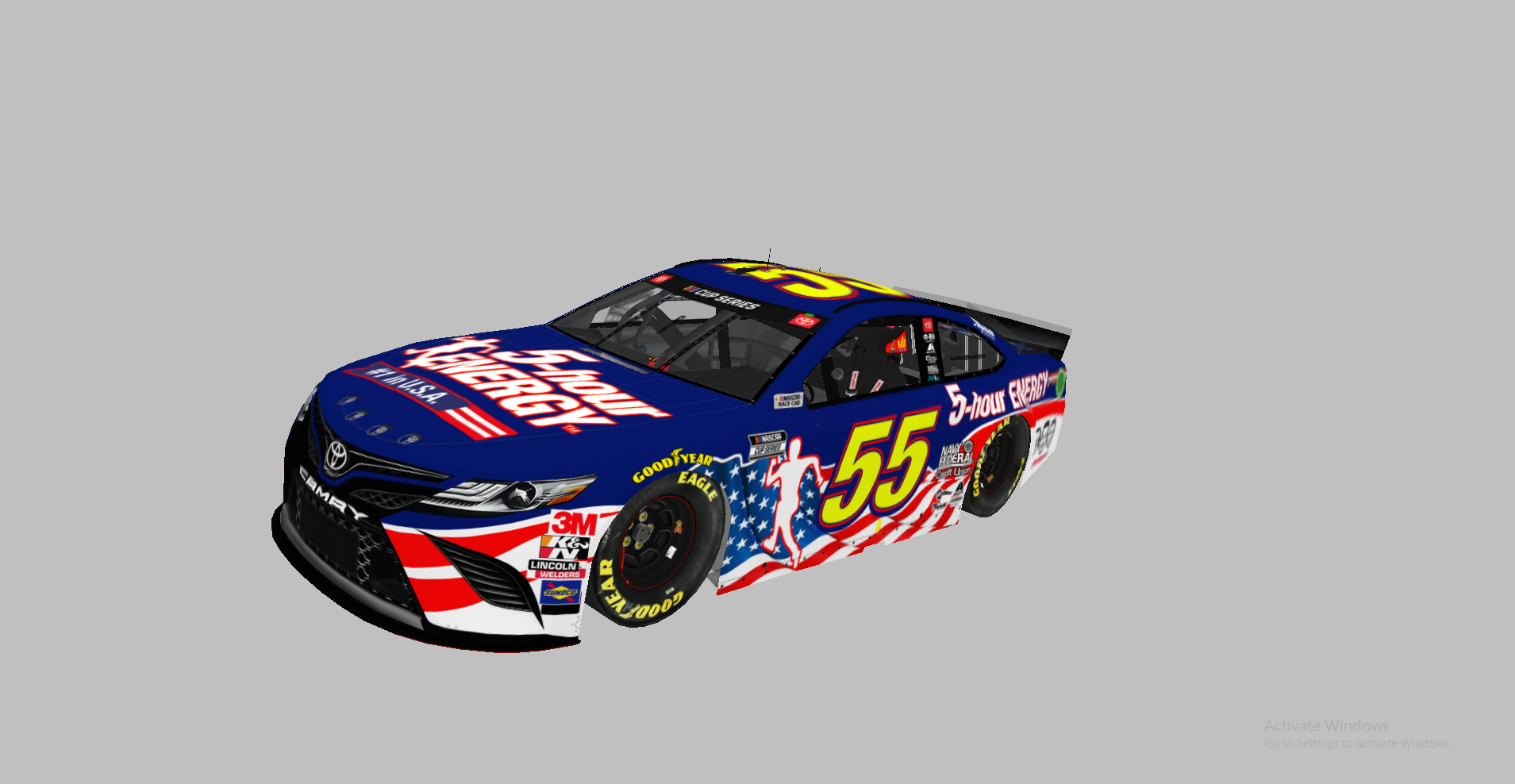
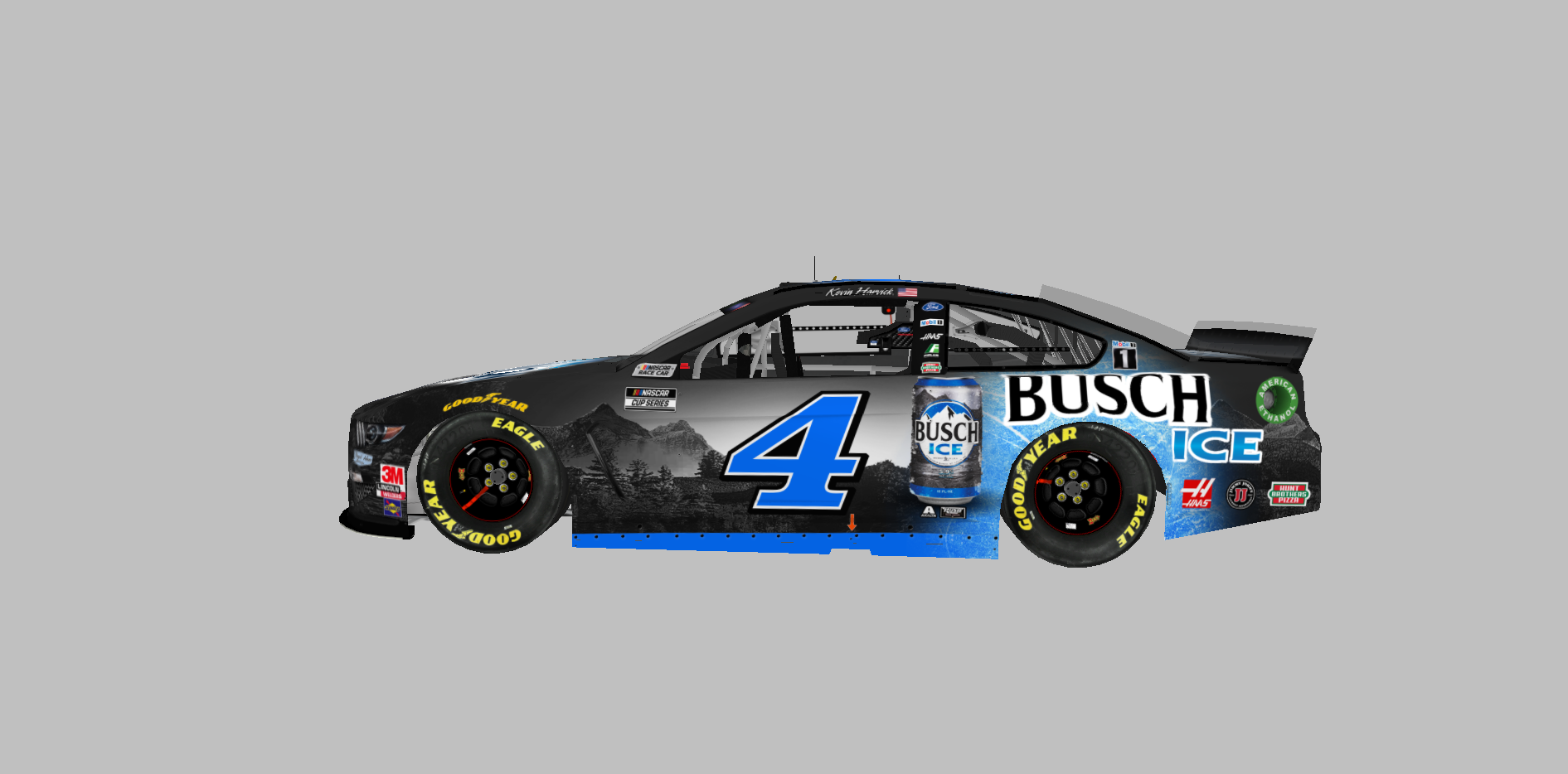
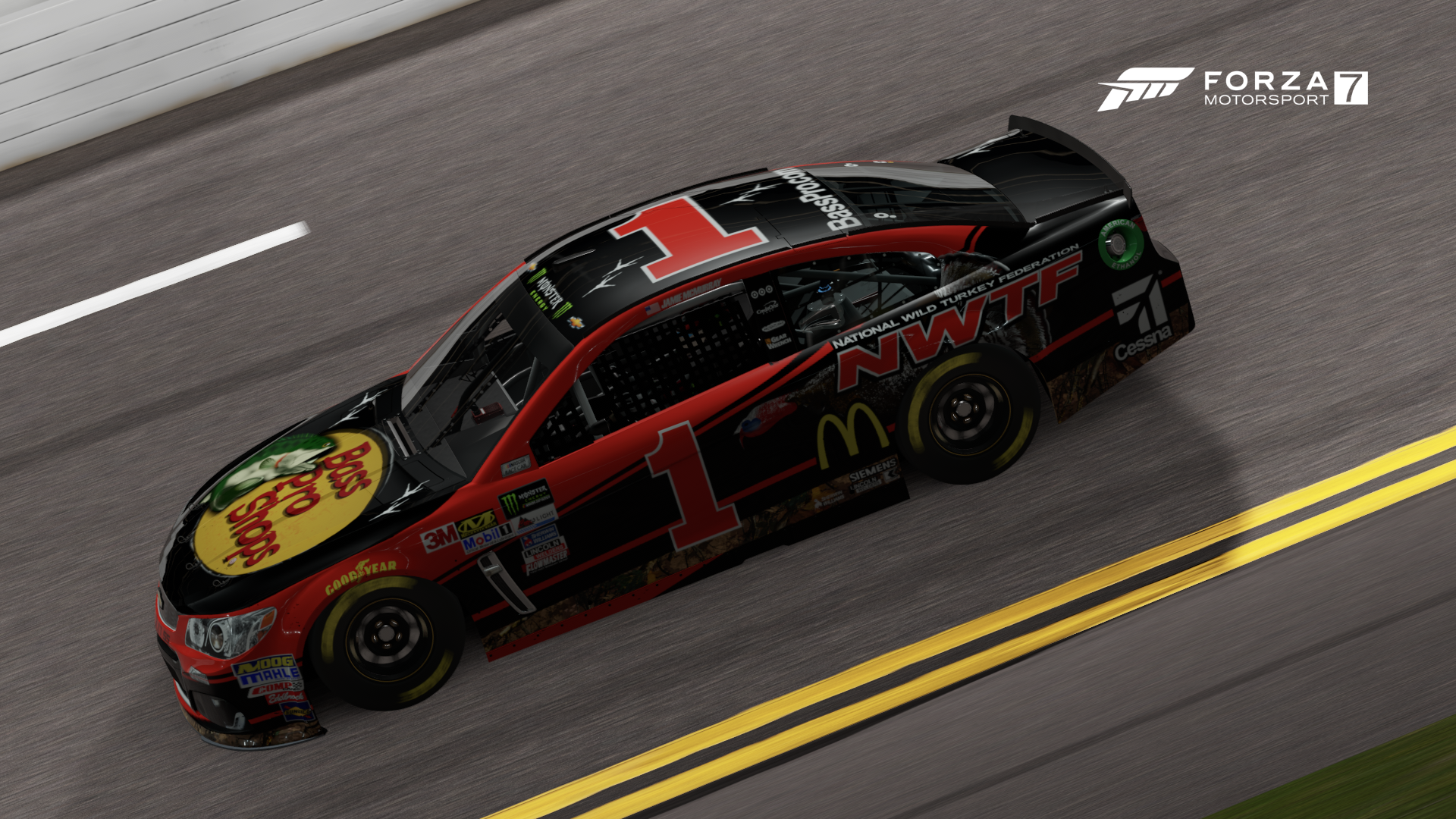
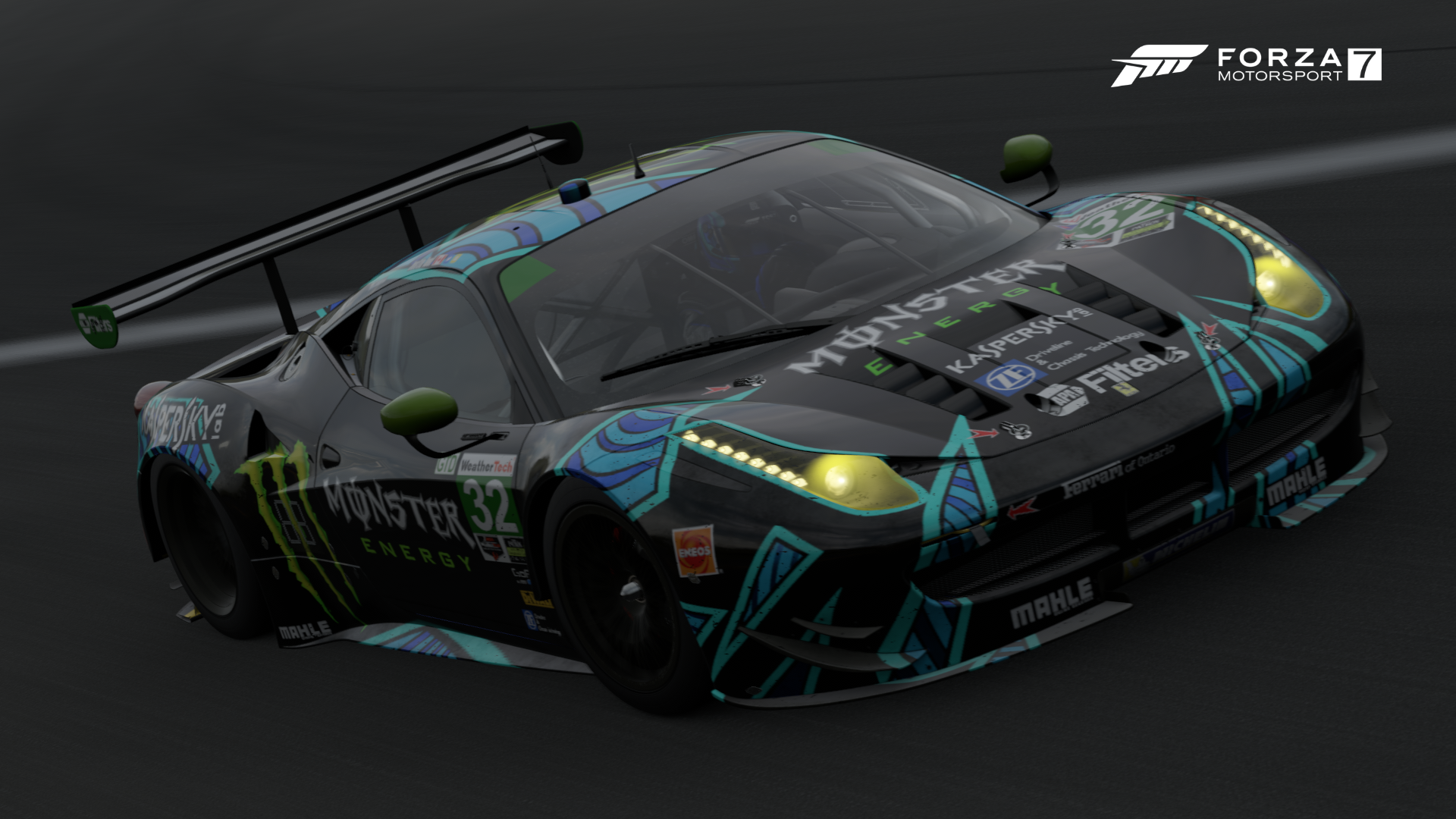
Like many others in the NASCAR design space, NR2003 and iRacing planted a seed for Justin Teel (Images: Justin Teel)
2️⃣ Where do you turn for inspiration?
I like to get inspiration from anything, really. Even when I’m around the city, I’ll find myself looking at billboards, wraps on buses, and ads on buildings. I also like to learn from other motorsports, like IMSA, motocross, F1, and MotoGP. I think it’s important to branch out into the world of advertising to get an idea of how companies like their brands like to be represented and try to look at everything with a designer’s brain.
3️⃣ What project of yours personally are you most proud of and why?
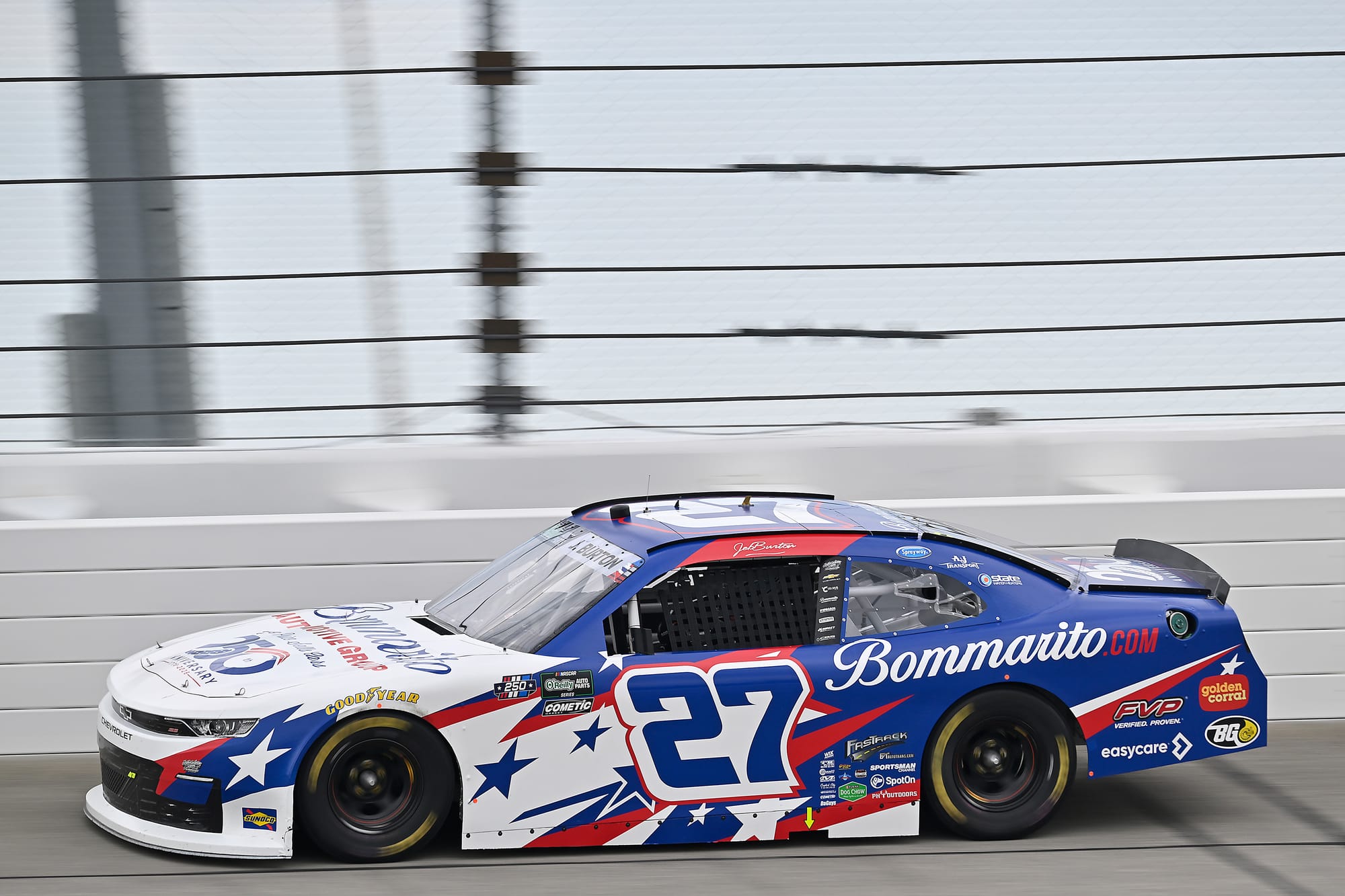
That’s a tough question. I think I’m most proud of Jeb Burton’s Bommarito 250 paint scheme for the Fourth of July race in Chicago. I’ve always wanted to design a patriotic-themed scheme, and I was super proud of how this one turned out.
4️⃣ What’s your ‘trademark’ style that helps you stand out from other designers?
I think I’m still learning what my style is. Jumping from doing concepts to professional design work has forced me to change the way I approach things a bit. For paint schemes, I like to design around the sponsor, give them as much space as possible, and make sure their logos are legible and clean. I also like to experiment with different shapes and styles, taking little bits of inspiration from some of my early iRacing schemes.
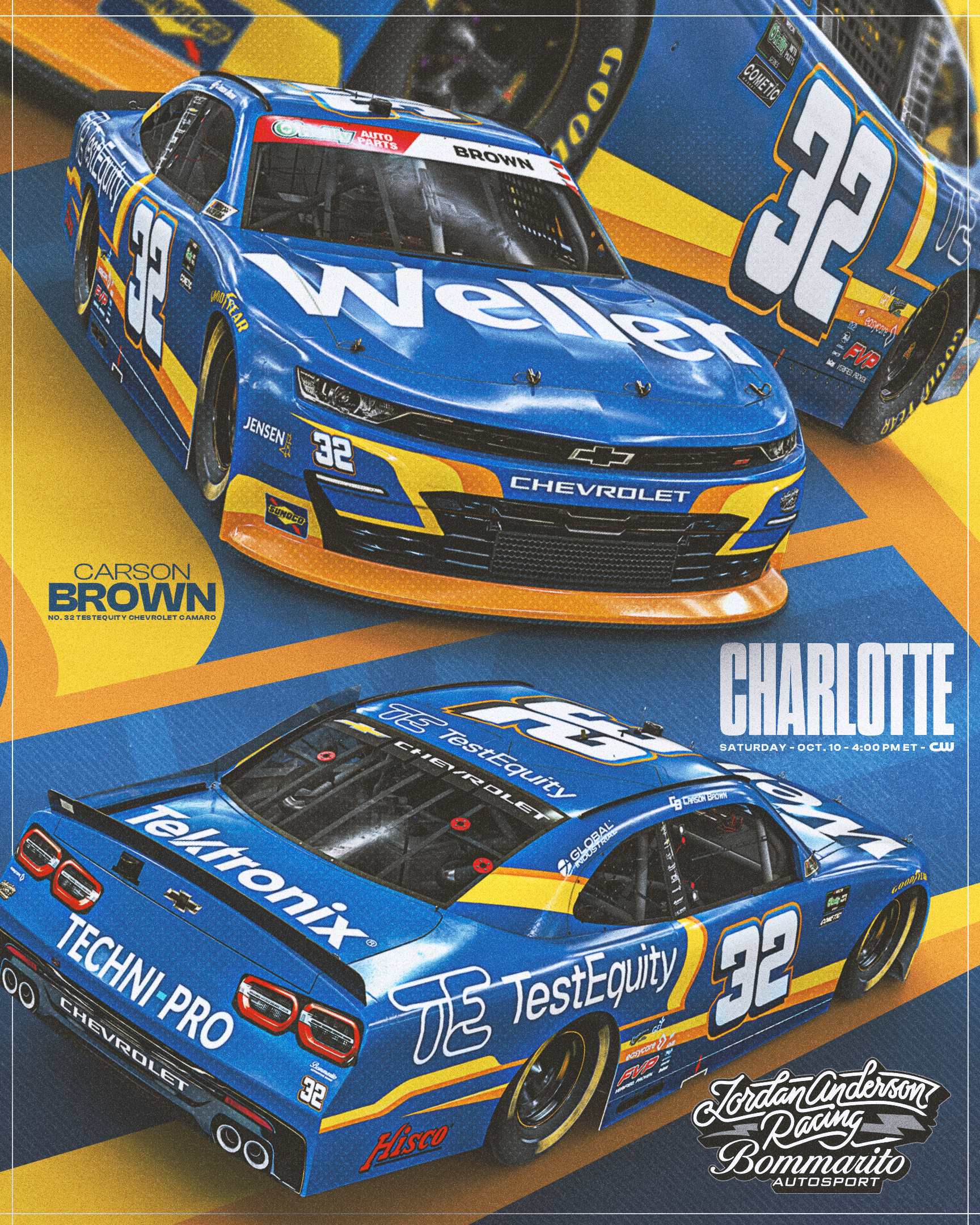
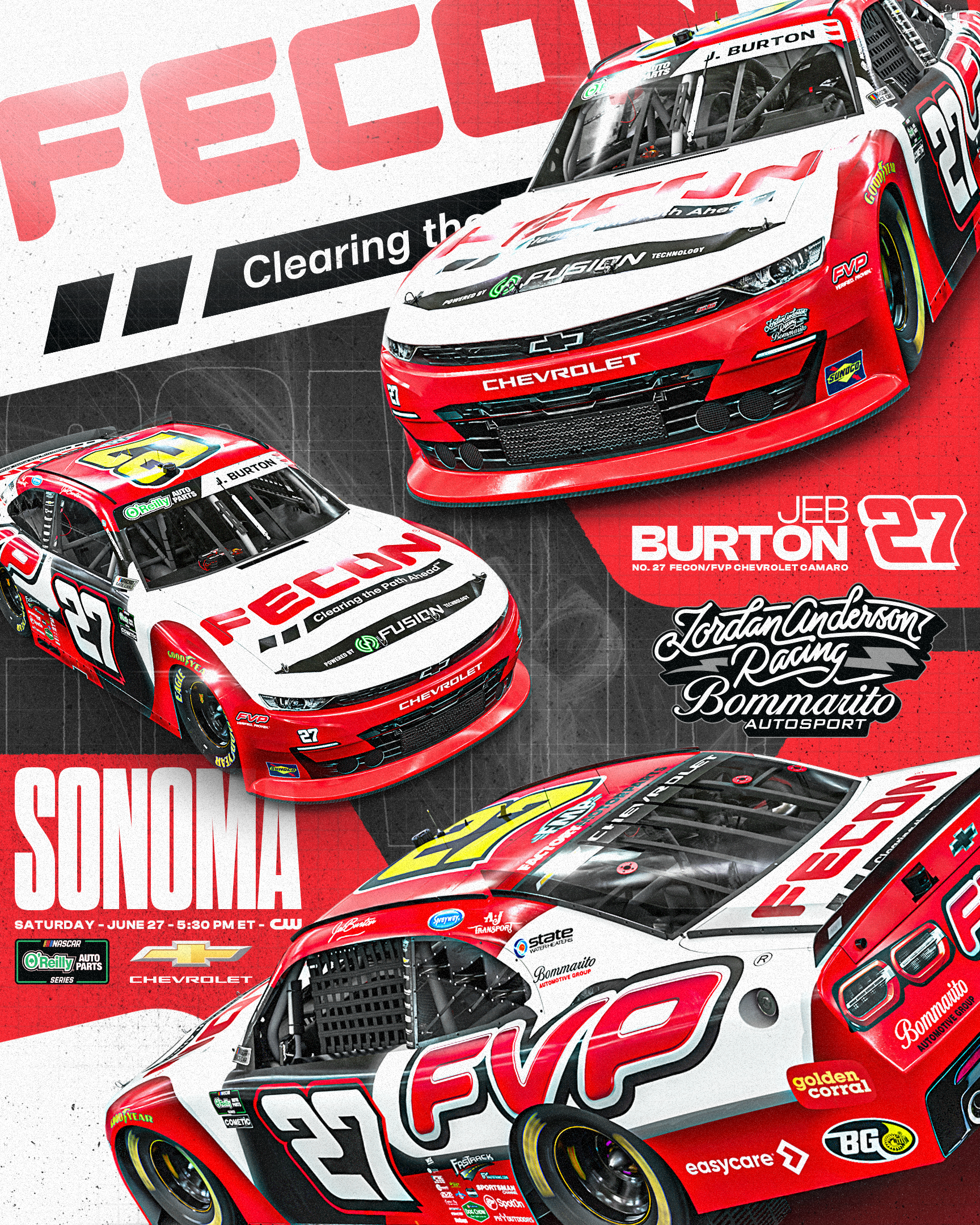
Sponsor logo taking up desirable design space? Simply work around it. (Renders and graphics: Justin Teel)
5️⃣ How did you first get involved in the fandom of motorsports?
When I was little, my dad took me to Fontana in 2002, and from there, I was hooked on auto racing. I eventually started riding dirt bikes and became a fan of all different types of motorsports, like motocross, WRC, and sports car racing. But NASCAR always had me hooked more than anything else.
6️⃣ You’ve spent the last year or so working with Jordan Anderson Racing on paint schemes and social media graphics. How did that relationship develop being on the other side of the country?
I think it really developed over time, with everything being done digitally. It wasn’t really that big of a deal being remote. It really came down to communication, building trust and making sure you’re delivering work that the team is happy with and fits their brand.
It actually all started with designing concepts on social media. A Chase Briscoe concept I made was seen by Ricky-Lee at True Grit Brands, and he gave me an opportunity to do some freelance design work for his company. That freelance work, and just designing concepts on social media, eventually led to Jordan reaching out and offering me an opportunity to work for the team.
It’s been really cool; Jordan and the whole team have really helped me improve over the last year. They’ve been incredibly hospitable, even flying me out to races this year, where I’ve gotten to see some of my work on-track and get inspiration from the O’Reilly Series garage. I'm grateful to have the opportunity to work with them.
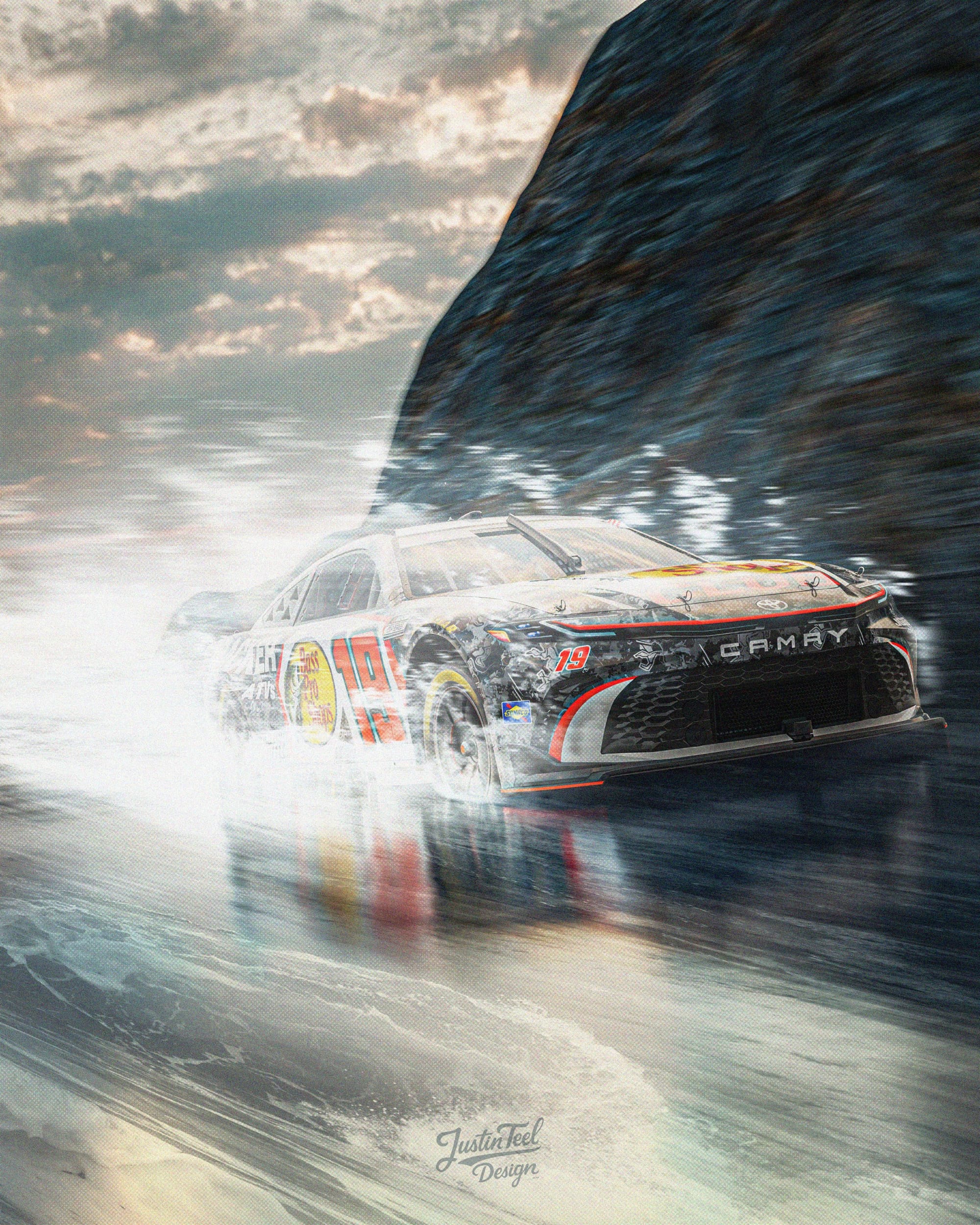
A fun, challenging concept for Justin Teel would end up kickstarting his NASCAR design career (Graphic by Justin Teel)
7️⃣ You’re in California and the cars in the shop are in North Carolina. What’s your strategy to ensure your paint schemes, color, logo placement, etc. match up to the five-point layout of the car? Is it difficult?
It can be difficult, especially in the beginning, but I think just learning from early mistakes and getting feedback from the team and installers helps a lot. It required me to change how I designed a little, but I think it’s helped me learn a lot about the wrap process in motorsports. I think a good practice is always moving the scheme from a five-point to an accurate 3D model just to get an idea of how things may warp or change on different panels. I still lean on past experience, however, and just learning from how previous designs transferred from a five-point to a full wrap.
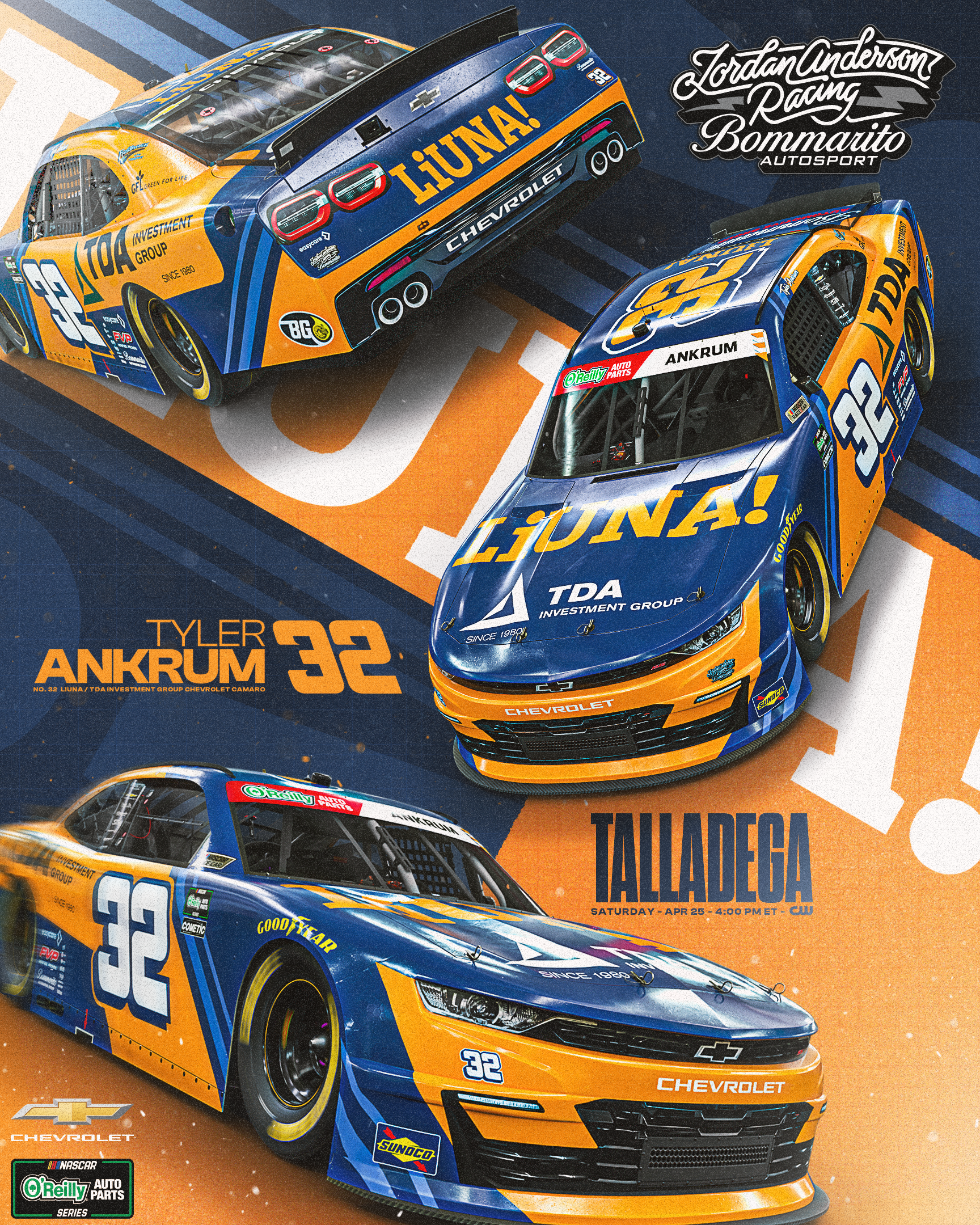
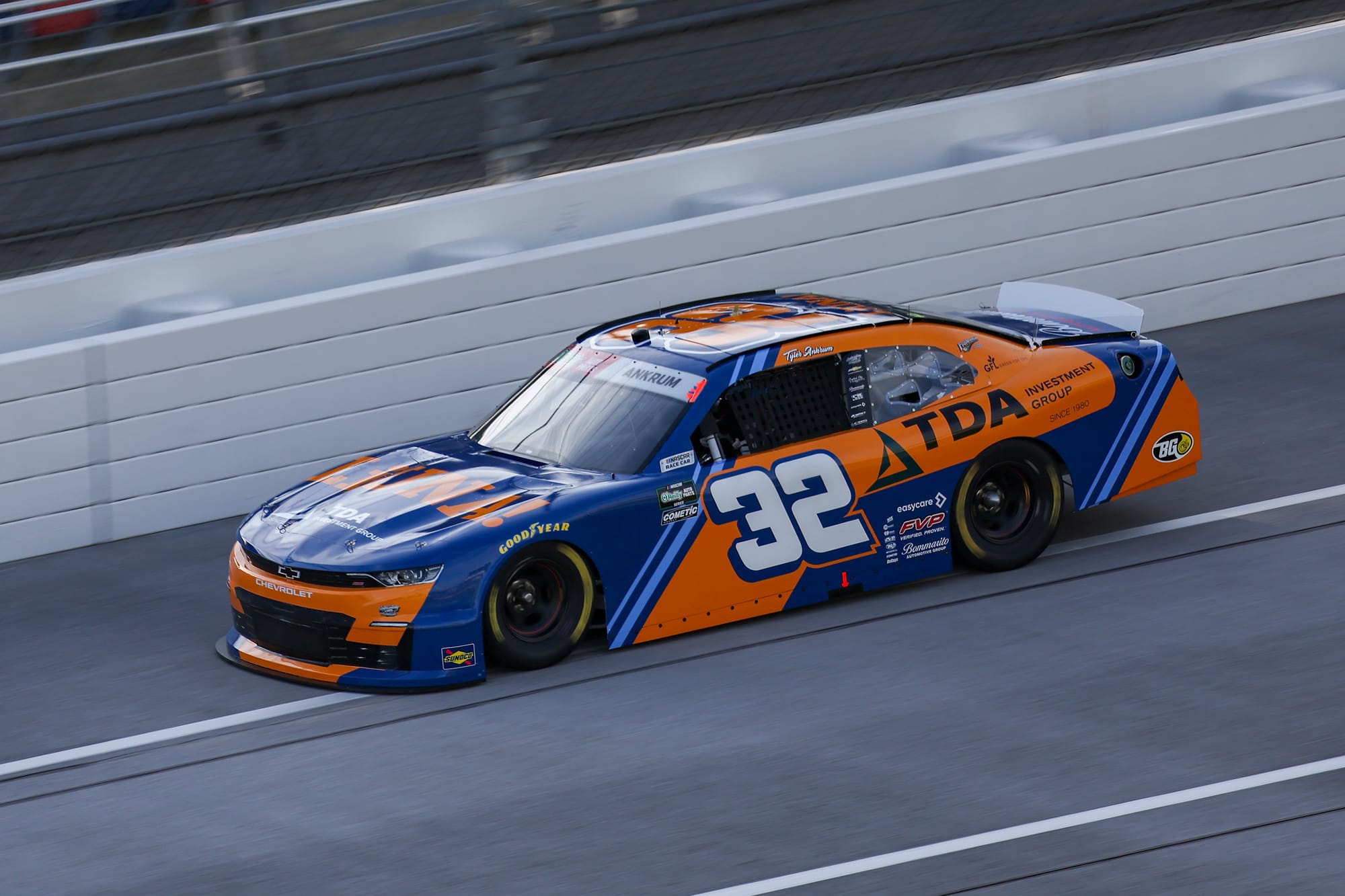
Even being 3,000 miles away, the harmony between 3D model, five-point and the real car seems nearly identical thanks to Justin adapting to feedback and modifying his design style. (Photo: Danny Harrison; Graphic: Justin Teel)
8️⃣ You’re known just as well for building custom render scenes as you are for your paint scheme concepts. How do you go about building your 3D scenes, and where do you find inspiration for your location, angles, and other traits?
I treat using Blender similar to how I design a paint scheme. I usually have an idea for a graphic in my head, and I just try my best to get that vision to reality by starting with something basic and adding in 3D and Photoshop from there. It’s always a challenge with stuff like lighting, contrast, shadows, and basic composition.
For inspiration, I usually look at other creatives, not just in motorsports but in football, hockey, basketball, as well as researching where the team is going on that particular weekend and learning about what makes that location unique.
I like to purposely make things look out of place, like racecars in the desert or race cars flying in a fighter plane formation. I think graphics like that allow a designer to be extra creative and showcase something funny, unique, and cool. I also like to lean on early 2000s skate culture, using grime-styled graphics and wide-angle shots for my renders.
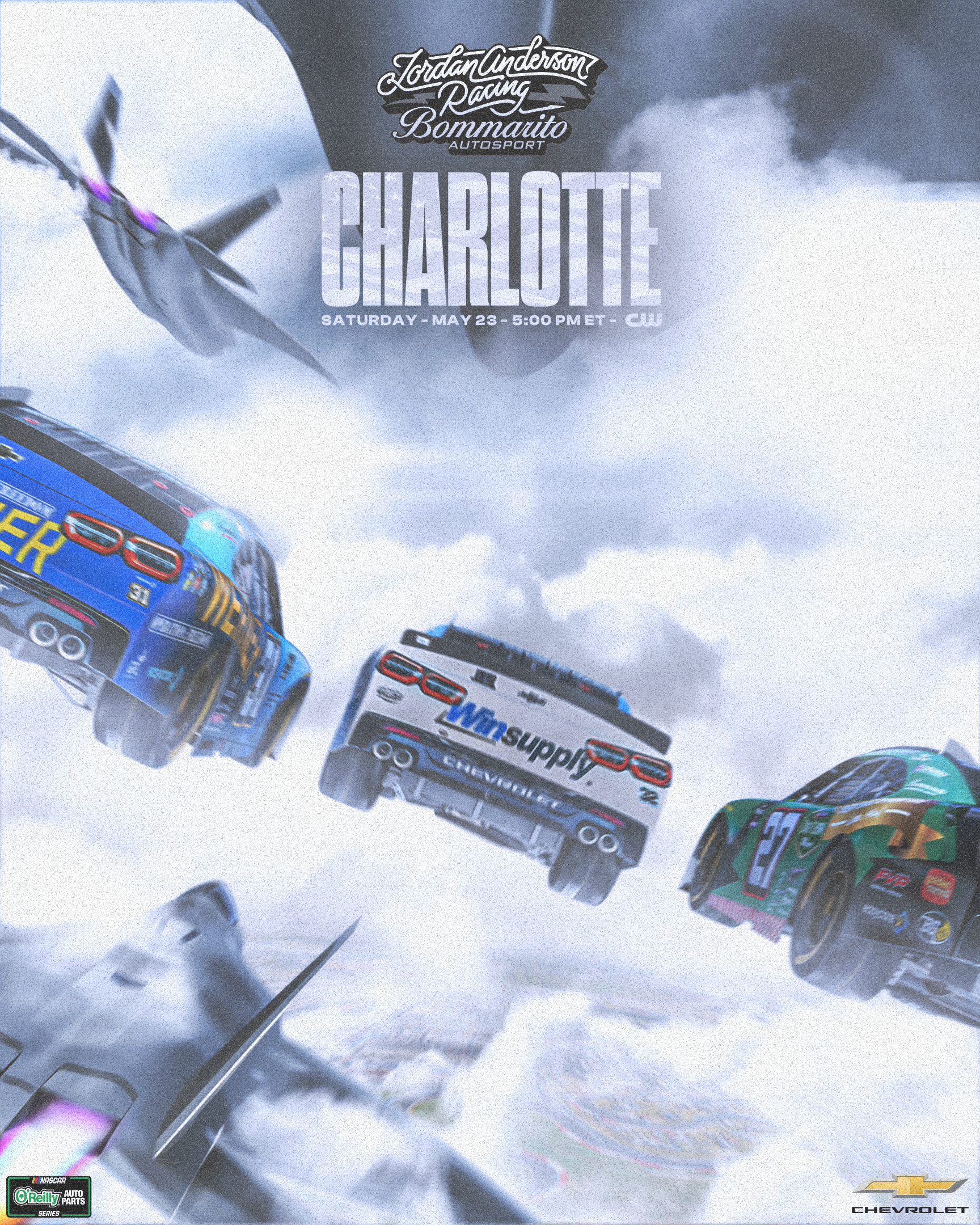
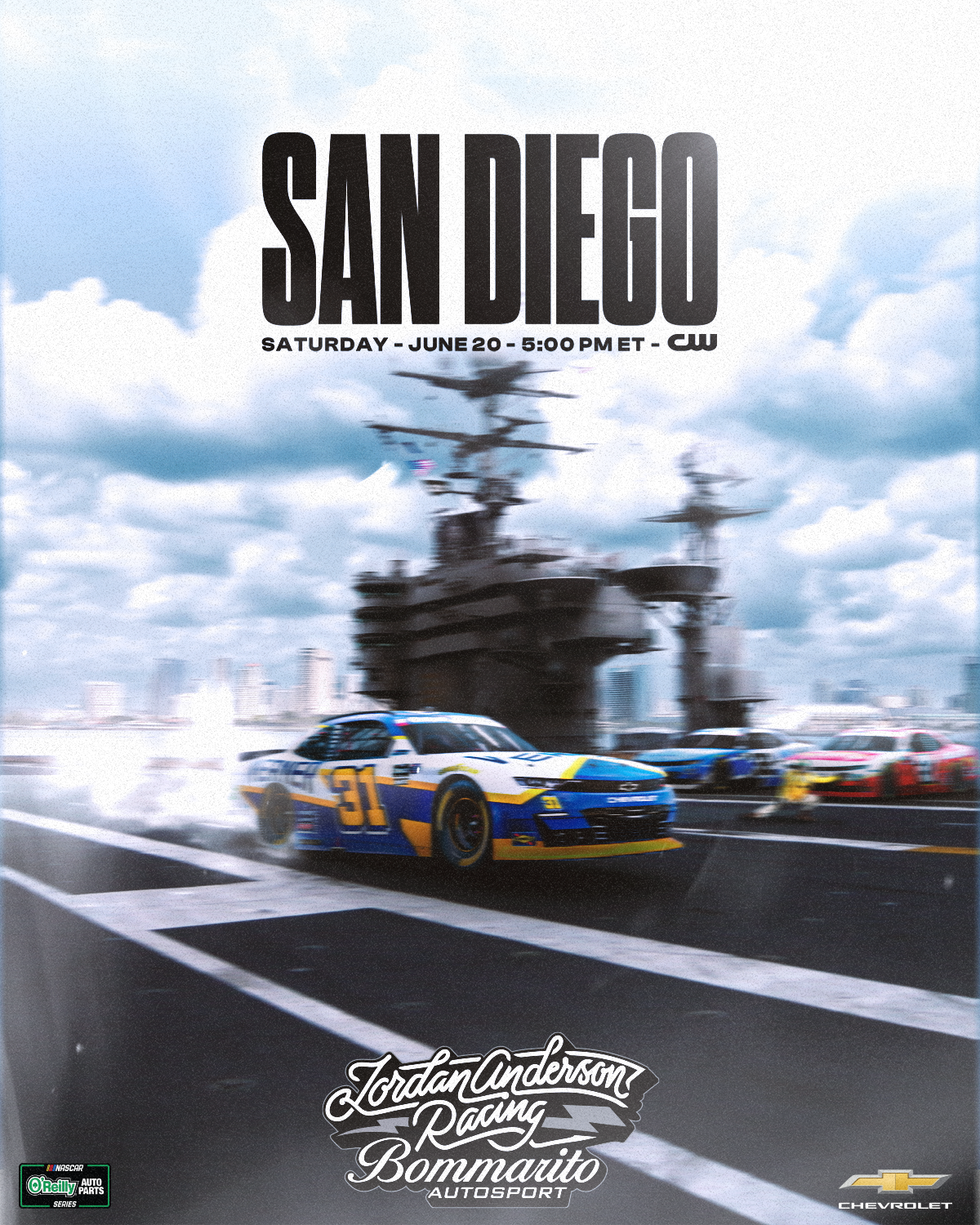
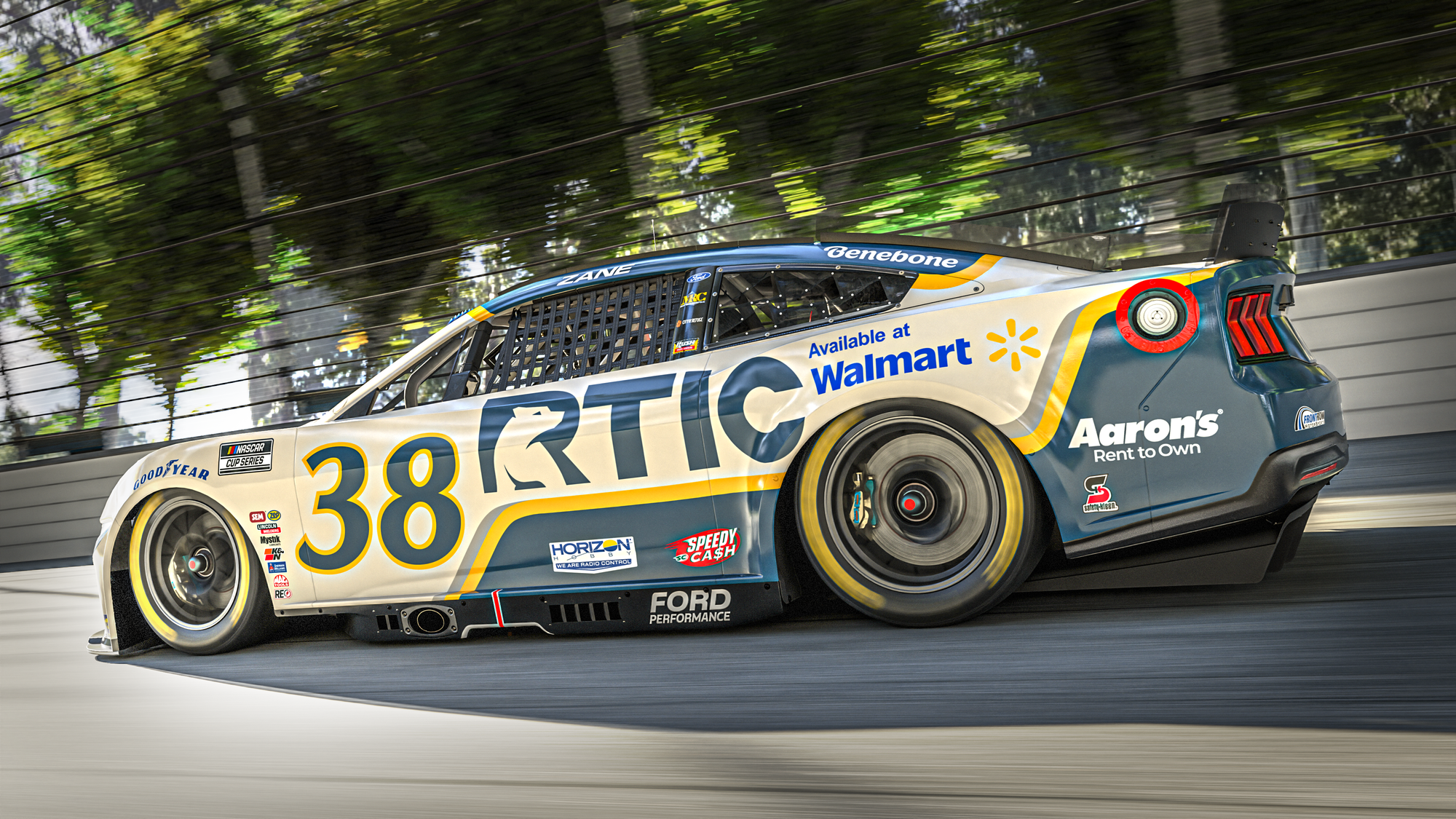
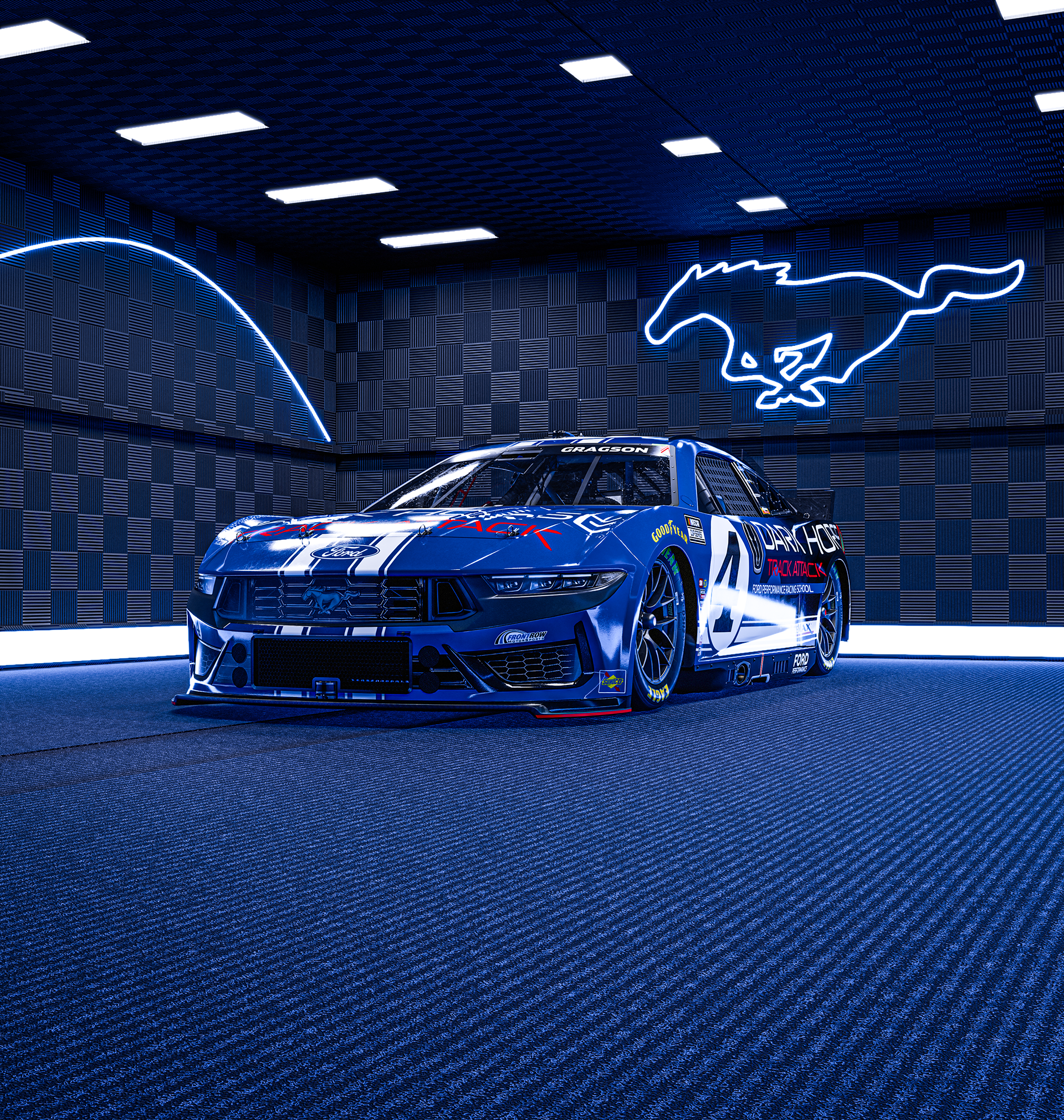
Wherever a race car doesn’t belong, Justin Teel will put it there. (Graphics by Justin Teel)
9️⃣ Your Trading Paints profile includes an impressive range of cars that you’ve designed liveries for. Which ones are your favorites to paint and which do you find the most challenging?
I think my favorite type of cars to paint are sports cars. It forces you to design outside of the normal format of sponsor and door number. However, I think anything open-wheel is the most challenging. You have limited space to work with and every bit of panel is small, warped and weird, so you need to be creative to get something that looks good.
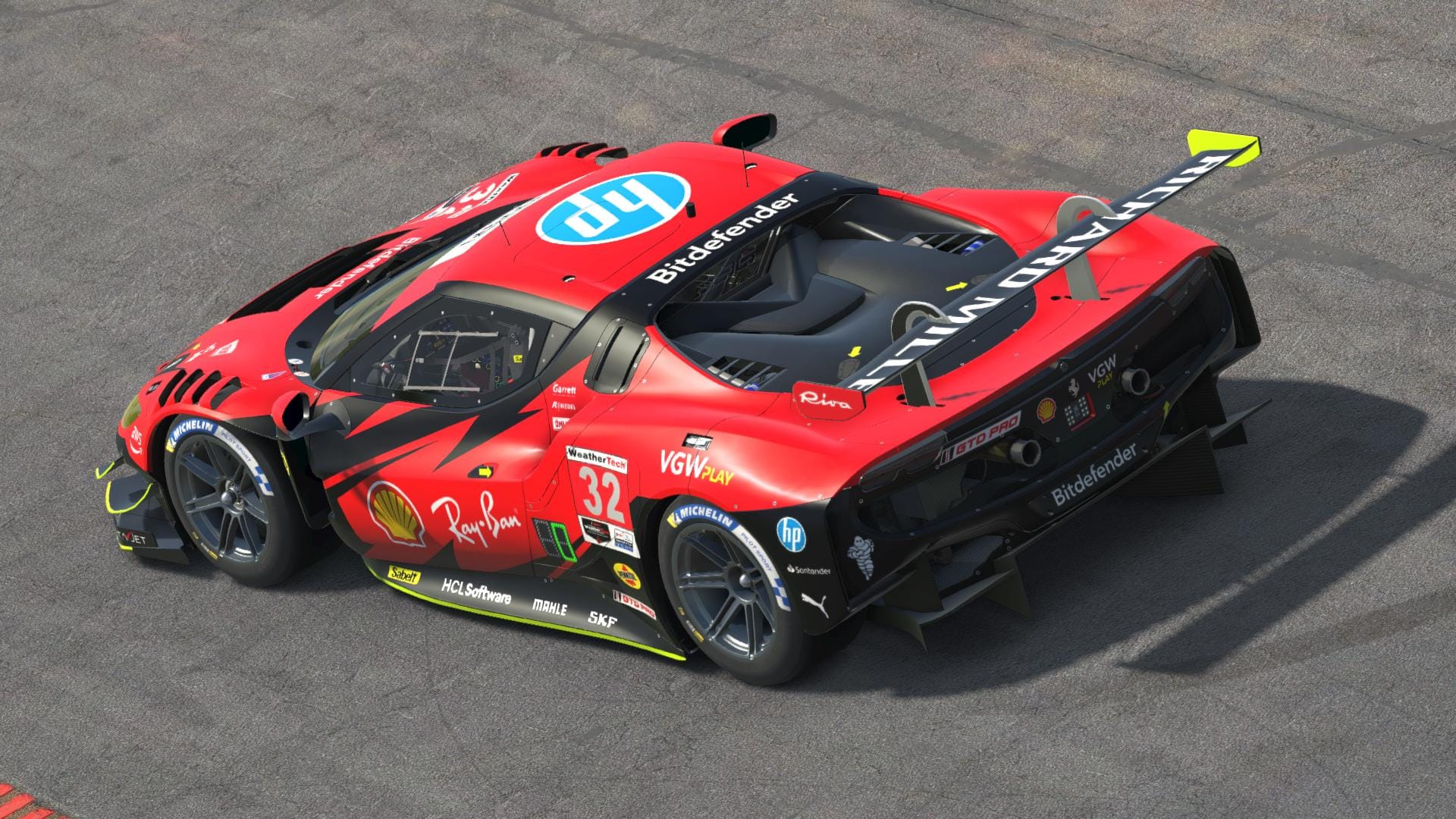
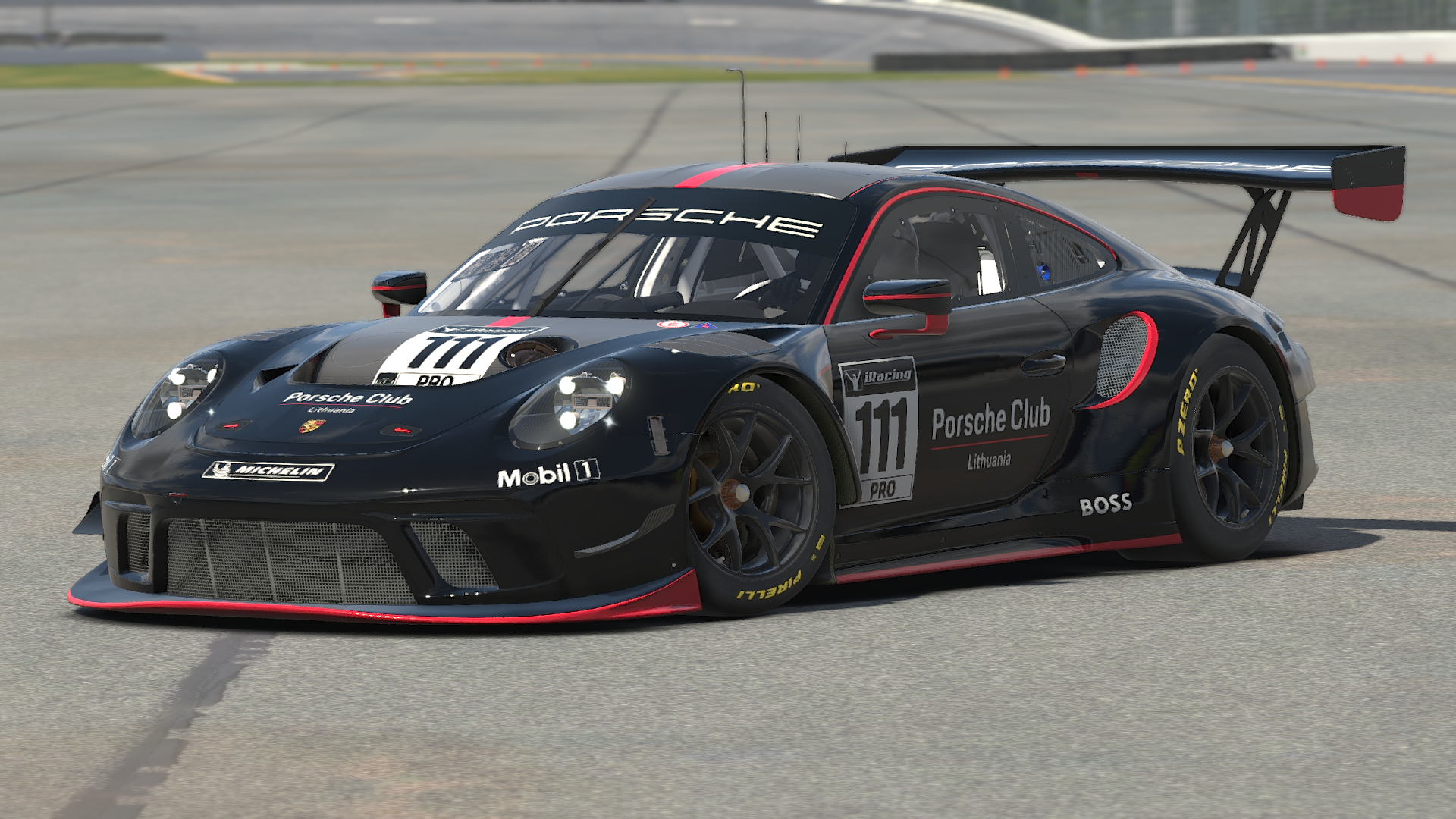
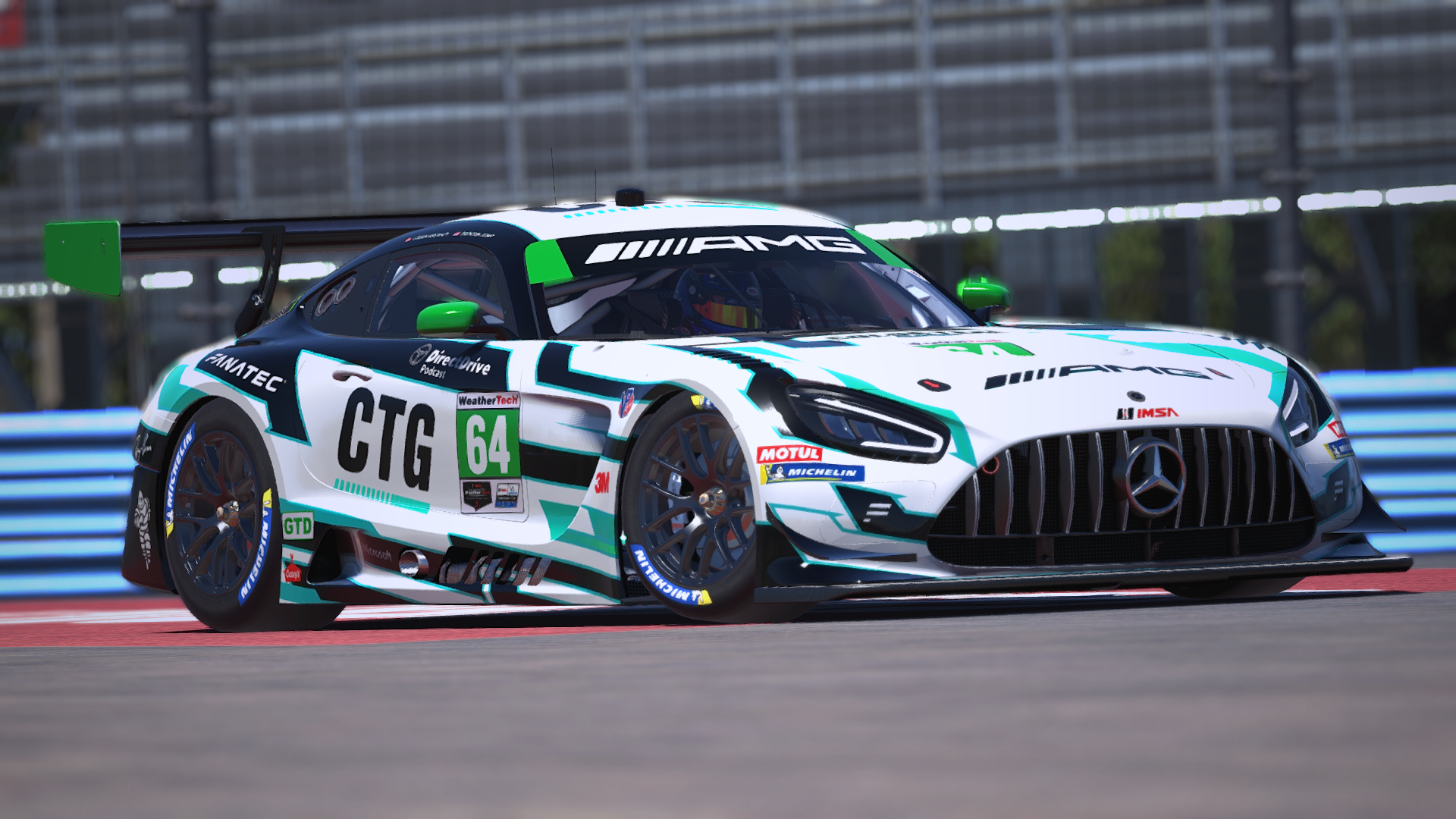
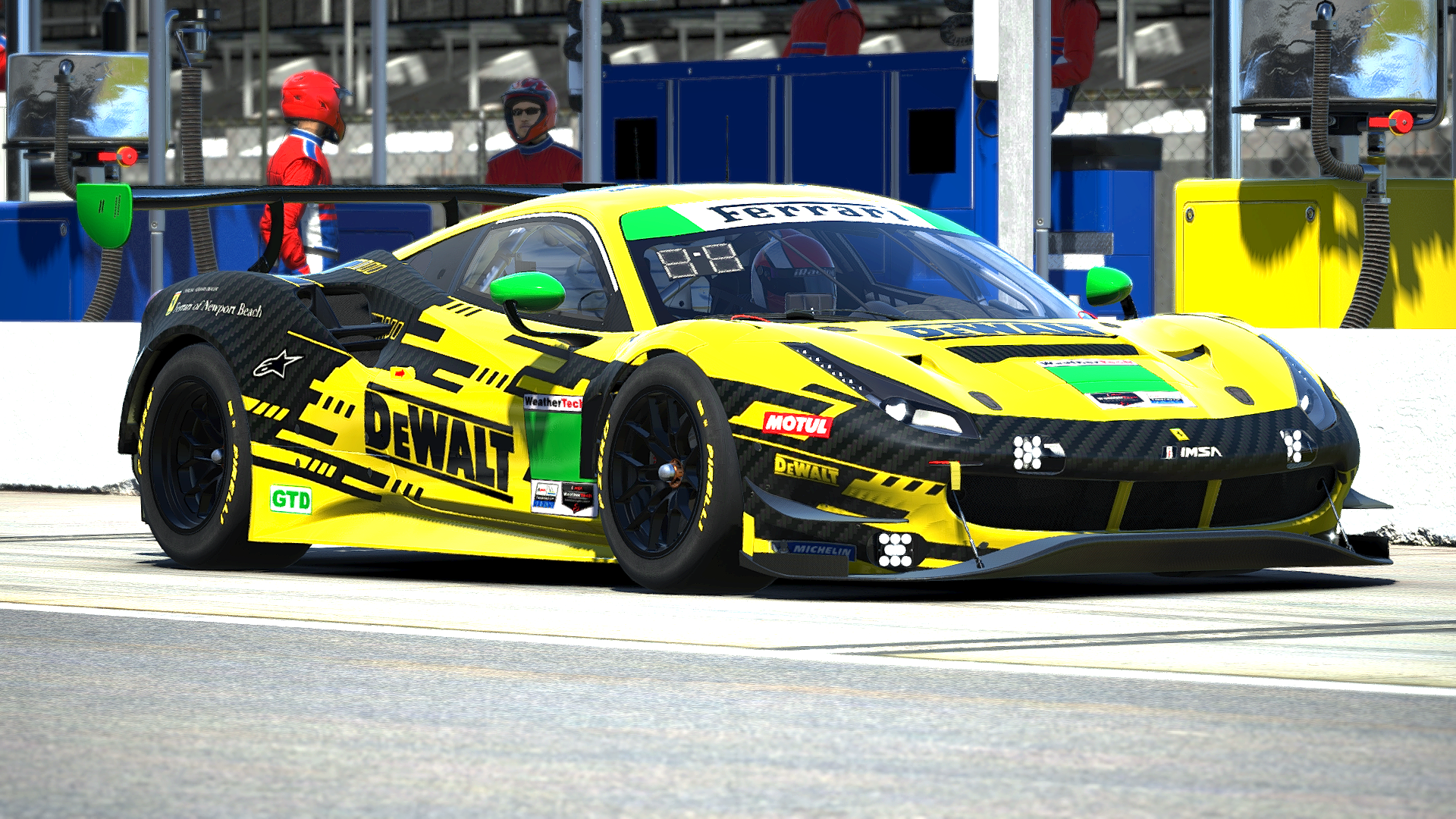
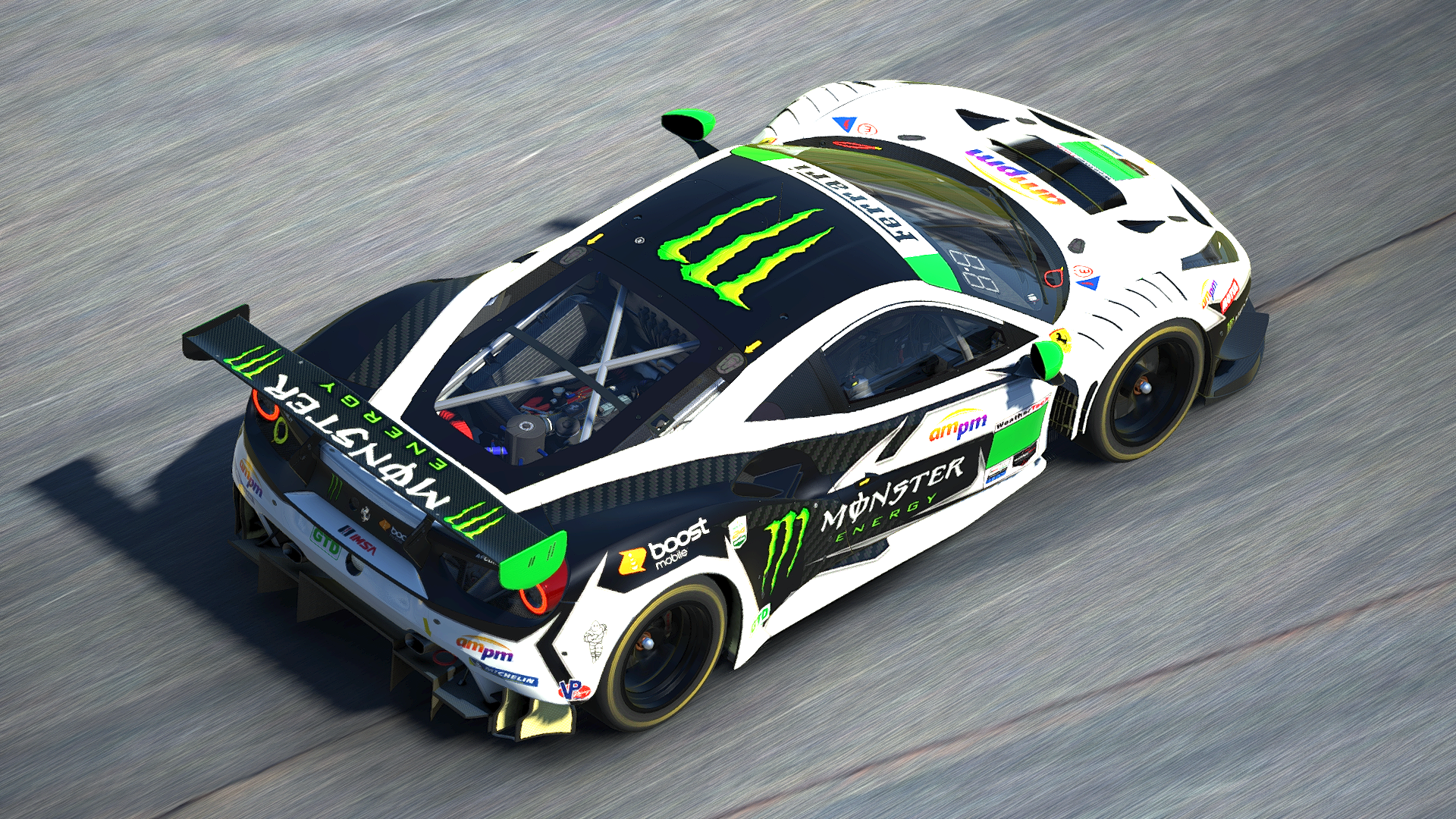
NASCAR O'Reilly Auto Parts Series cars offer relatively the same space across manufacturers. It’s a whole new challenge when sports cars enters the mix. (iRacing paints by Justin Teel)
🔟 Share a design tip for people just getting started.
Always look for opportunities to learn and grow as a designer. There are so many useful tools out there that can really help you evolve. Working with vectors, rendering, animation, it all seems scary at first, but with enough dedication and persistence you can pretty much learn anything. Also don’t be afraid to put yourself out there. I was really worried about criticism and kept my work to myself for years. But I think sharing your work is the best thing you can do, especially engaging with a great community of other designers. You never know who will end up seeing it.
For more, follow Justin on Trading Paints and Instagram.