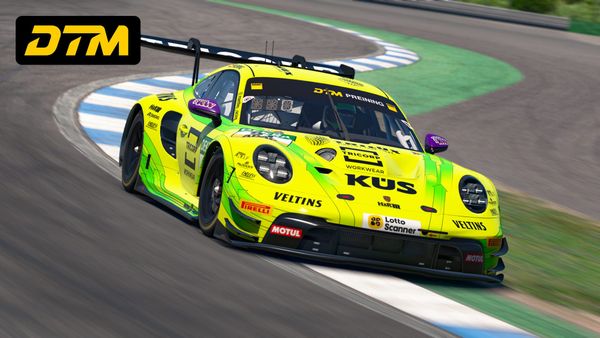
Artist Spotlight: Jason Dakins
Most motorsport designers come from a background involving paint brushes, colored pencils and a love for racing. How about designing components for heavy machinery and electrical systems?

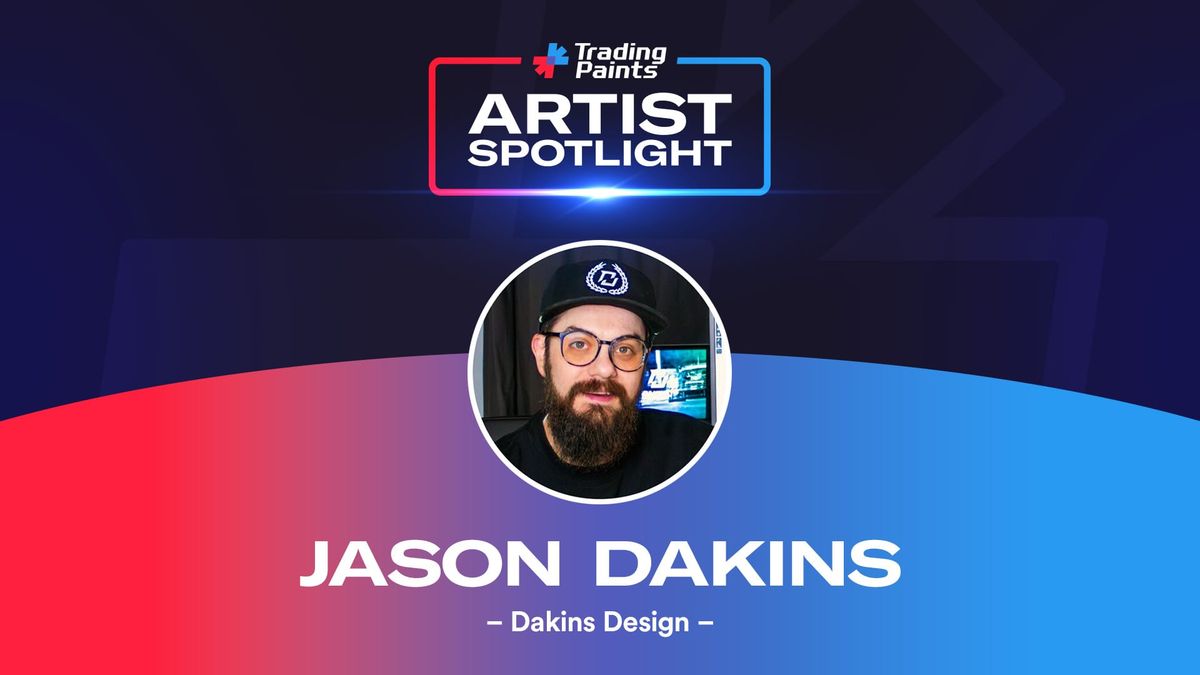
He’s a motorsports livery designer with a background in mechanical engineering and 3D CAD modeling from Canada. As if his story couldn’t be even more unique, Jason Dakins of Dakins Design offers insight into his path into the world of motorsport design.
1️⃣ How did you get your start designing?
It started out as a need to have accurate liveries of my favorite cars and teams on various sims, beginning with NASCAR Racing 1999, and eventually I started creating my own designs. After getting a lot of positive feedback, I entered and won a few design contests, and got hooked on having my work on real-world cars. One of these contests lead to the design I submitted to MOMO in 2015 being used on various cars by the brand for over a decade now.
My big break came when Steve Bortolotti, General Manager of Pfaff Motorsports, reached out and asked me to recreate the Plaid Porsche for the very first official IMSA sim racing events in 2020 on iRacing. These events were the return to motorsport competition, as well as a test bed for hand-controls for driver Robert Wickens.
2️⃣ Where do you turn for inspiration?
Typically, I like to use the branding of the main sponsor of the car for initial inspiration. I design around the logo placement first, and things evolve from there. That’s not always possible, though. Some teams and sponsors specifically ask for something wild, or inspired by something outside of their traditional look. Those are usually the most fun, but also the most challenging. I have an ever-growing folder of “ideas”, which includes images from some of my favorite liveries from the past, and different ideas from outside of the world of motorsports.
3️⃣ What project of yours personally are you most proud of and why?
The AWA Corvette GT3 livery project from 2025.
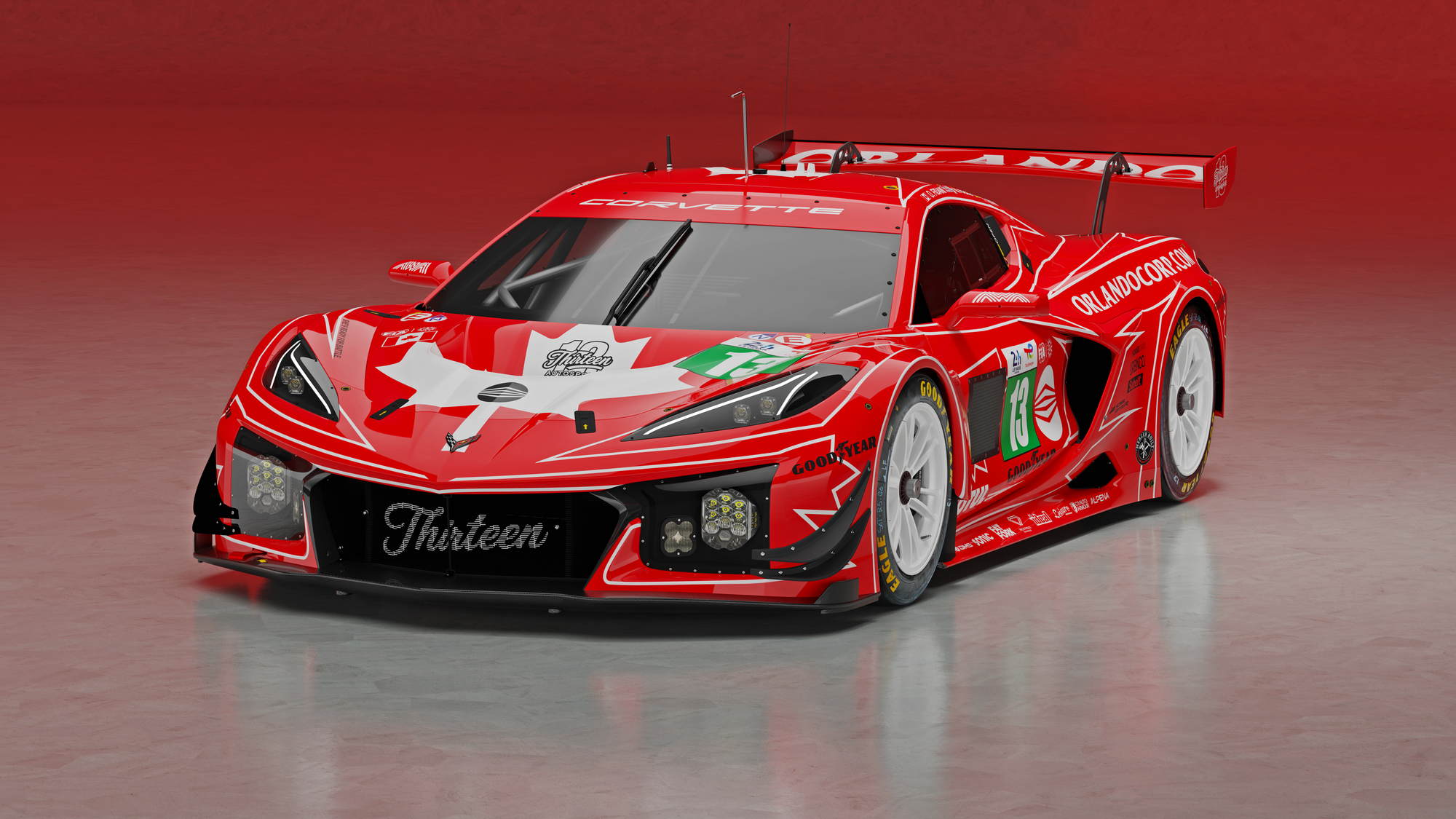
Not only did it include a win at IMSA’s Rolex 24 at Daytona, the red-and-white version ran at the 24 Hours of Le Mans. Having my name on a car at the single largest event in endurance racing, if not all of motorsports, has to be the project I’m most proud of.
Also, being involved with the first Canadian-based team to run the event in 20 years is absolutely a high-water mark in my career. The fact that it got more attention than any other car on the entire grid was a very surreal feeling.
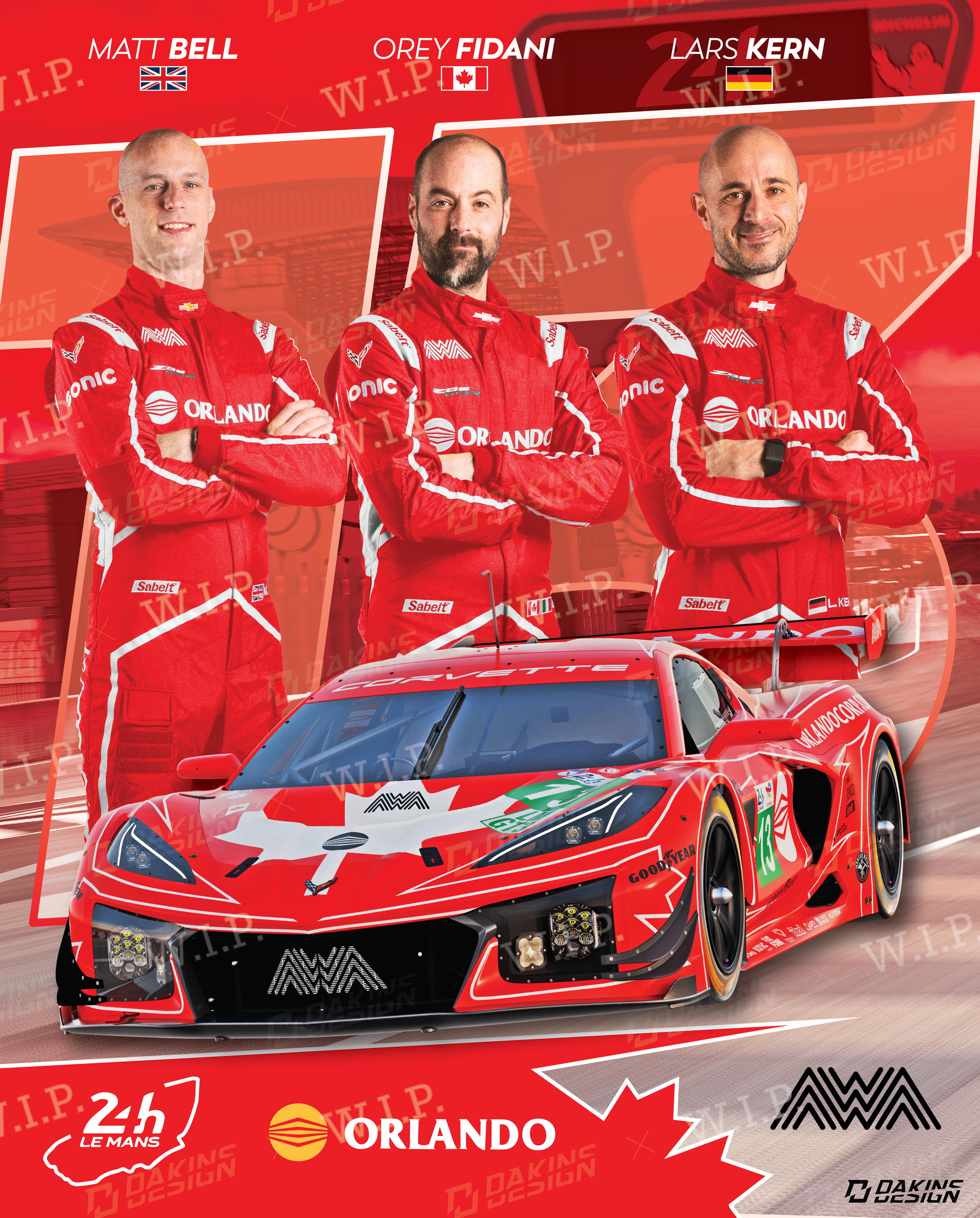
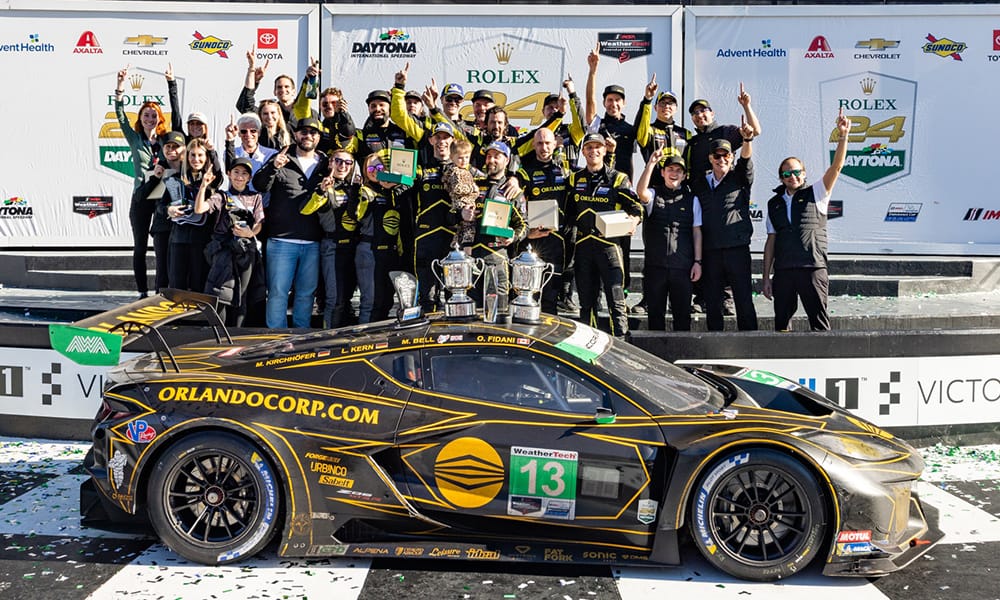
A design so good, it won the Rolex and went all the way to Le Mans. (Photos/Graphic provided by Jason Dakins)
4️⃣ What’s your ‘trademark’ style that helps you stand out from other designers?
Do I have to say “plaid”?
In all seriousness, I have had a few pattern-based liveries in my portfolio. It’s a style I really like to work with, as well as playing with gradients, textures, matte and gloss vinyl, or iridescent overlays. Sometimes I’ll use all of the above, such as the CDR liveries I’ve done on various different cars. My goal is to create a lasting theme or brand for teams to build upon over multiple years.
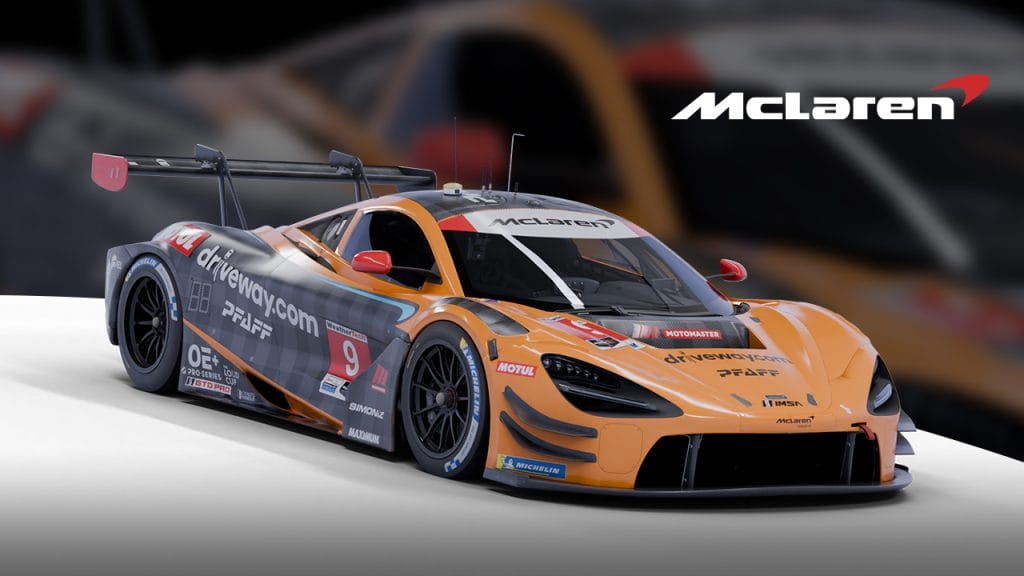
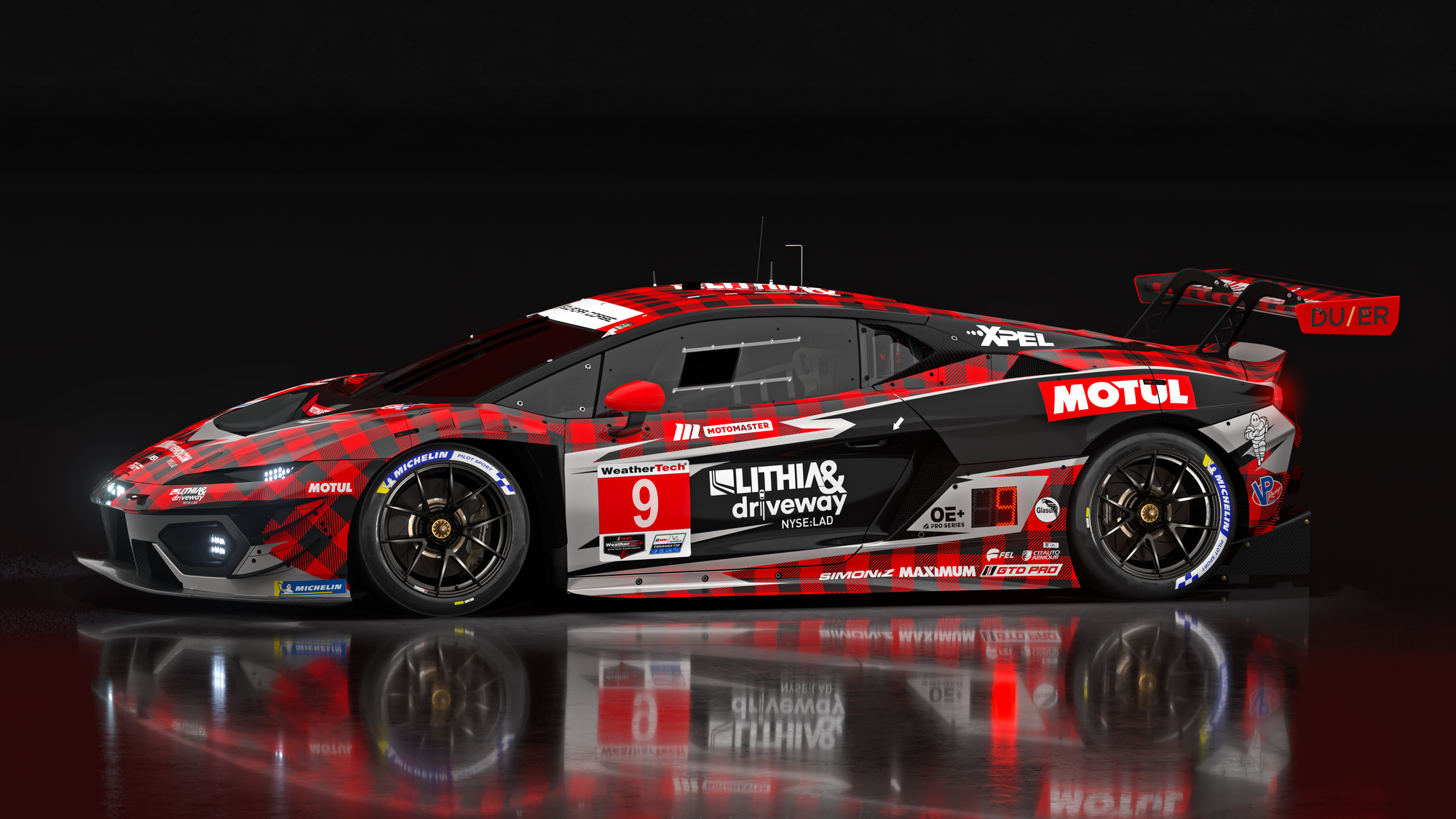
Fabric patterns as design bases? It’s a unique design trademark that Jason has embraced during his design career. (Photo Credit: Jason Dakins)
5️⃣ Your portfolio features an impressive arsenal of sports car designs, from GT4s to ISMA GTD Pros. How does your design process differ from car to car, knowing that each vehicle has different design cues as well as team-specific needs?
It can differ slightly, but it’s more or less the same for all projects, for the most part. I start with series logo and number placement, as those are normally in fixed positions. From there I make sure the sponsor logos are placed correctly to ensure proper visibility on broadcast, as well as in photos, and from trackside and grandstands. Then I try to work with the body lines of each individual car, either to accentuate them, or hide certain parts that can be a bit awkward looking.
Sometimes the design can translate from one body type to another with little to no work. The MOMO design is a great example of this, being simple enough to work on anything from GT3 to stock cars and even off-road vehicles.
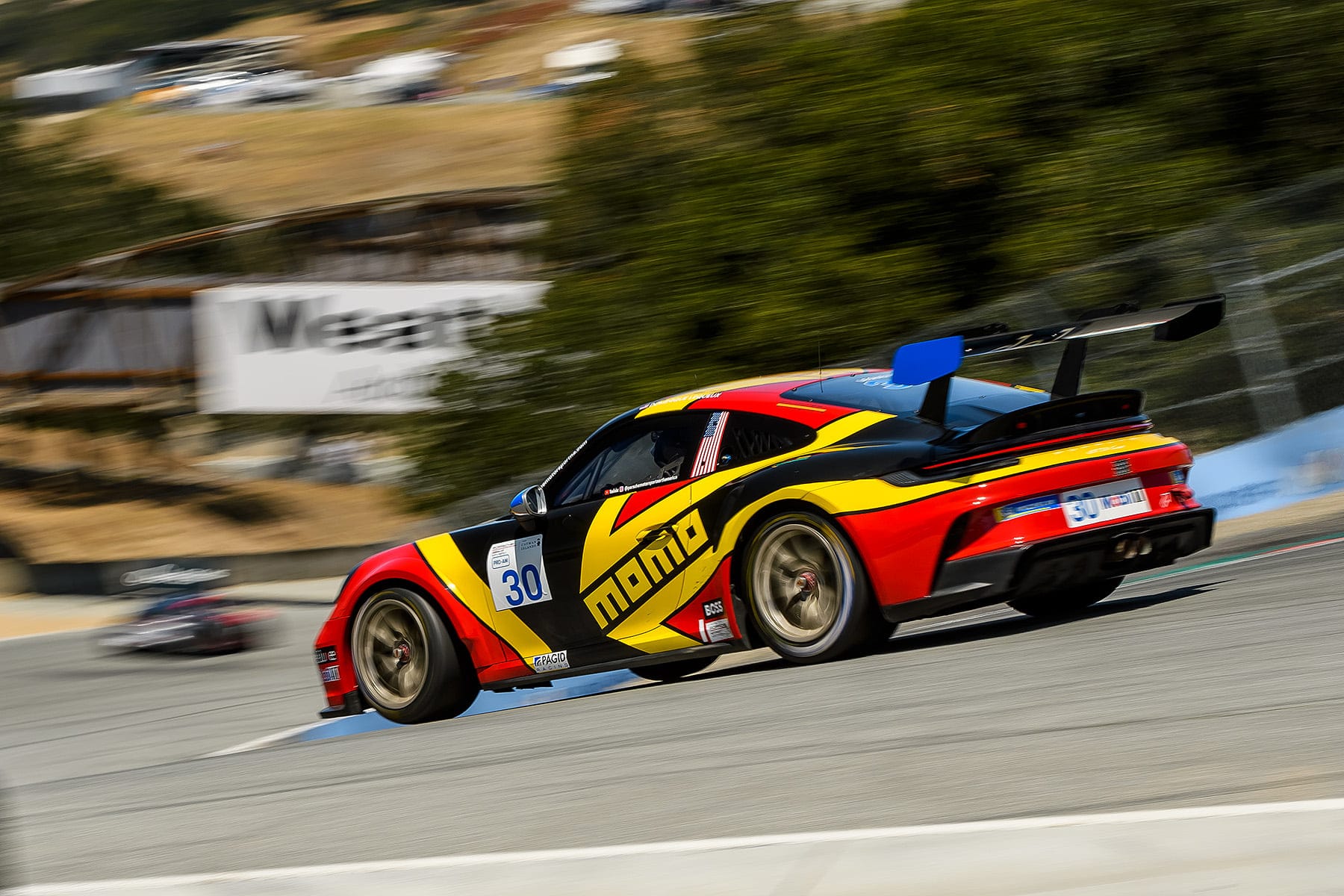
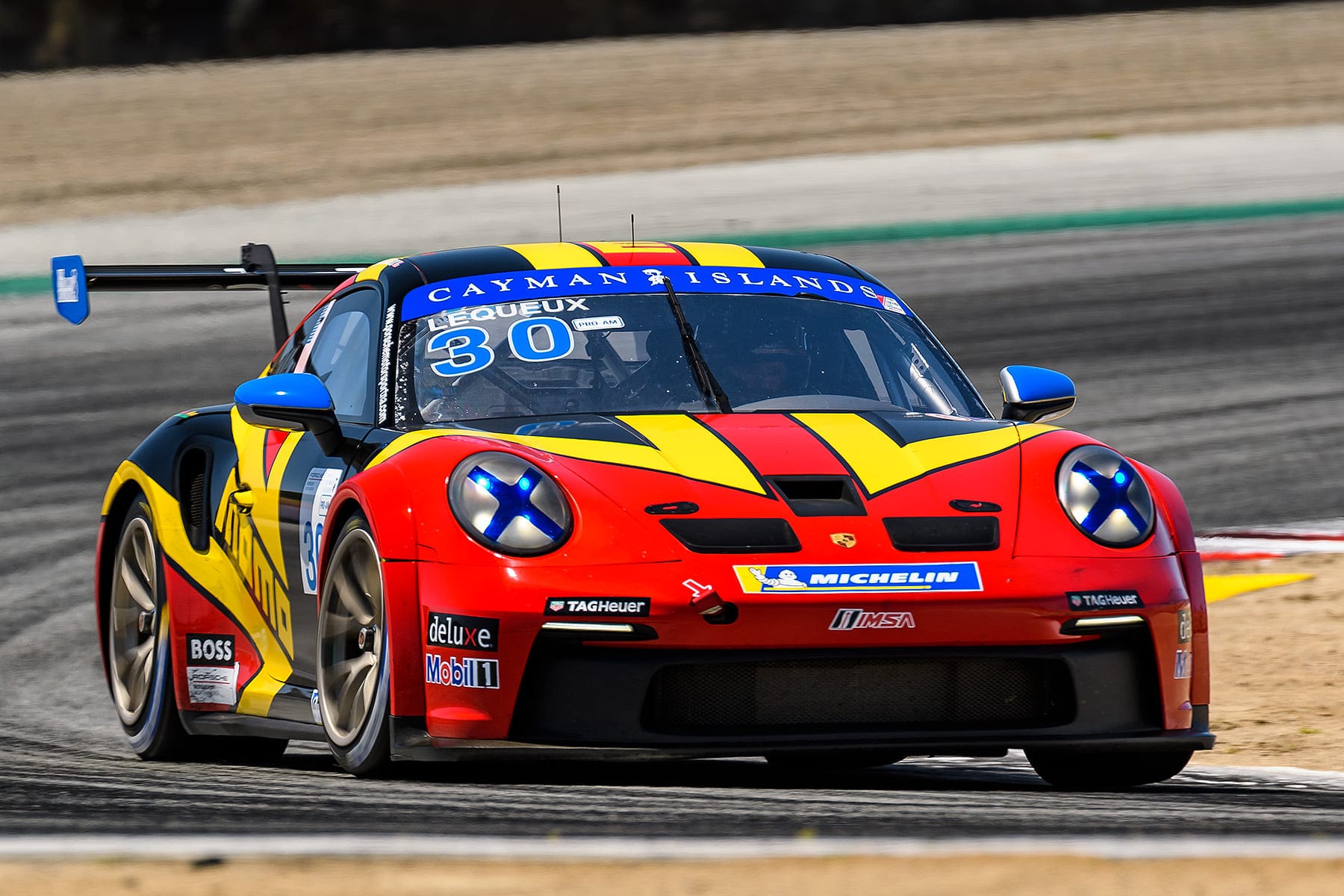
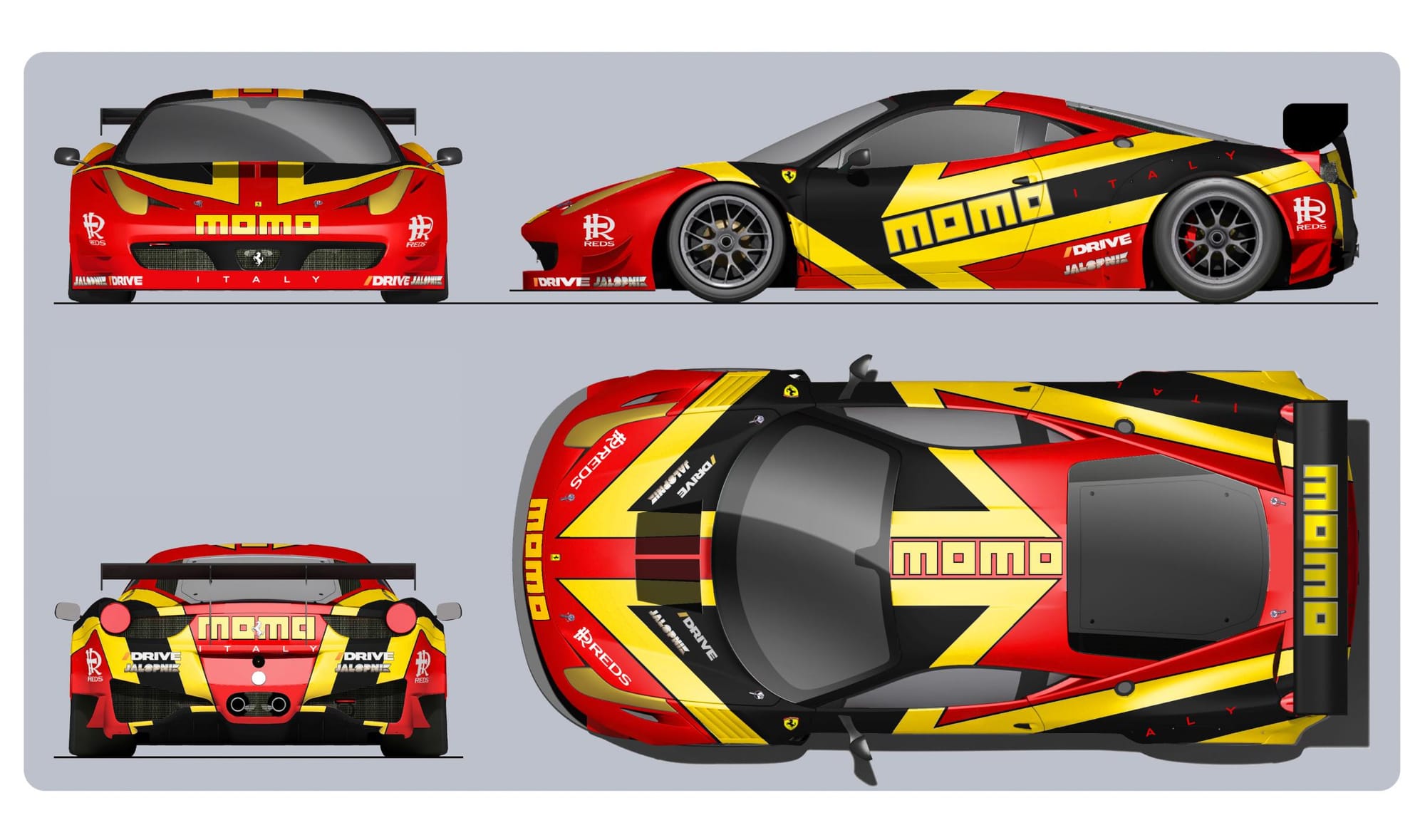
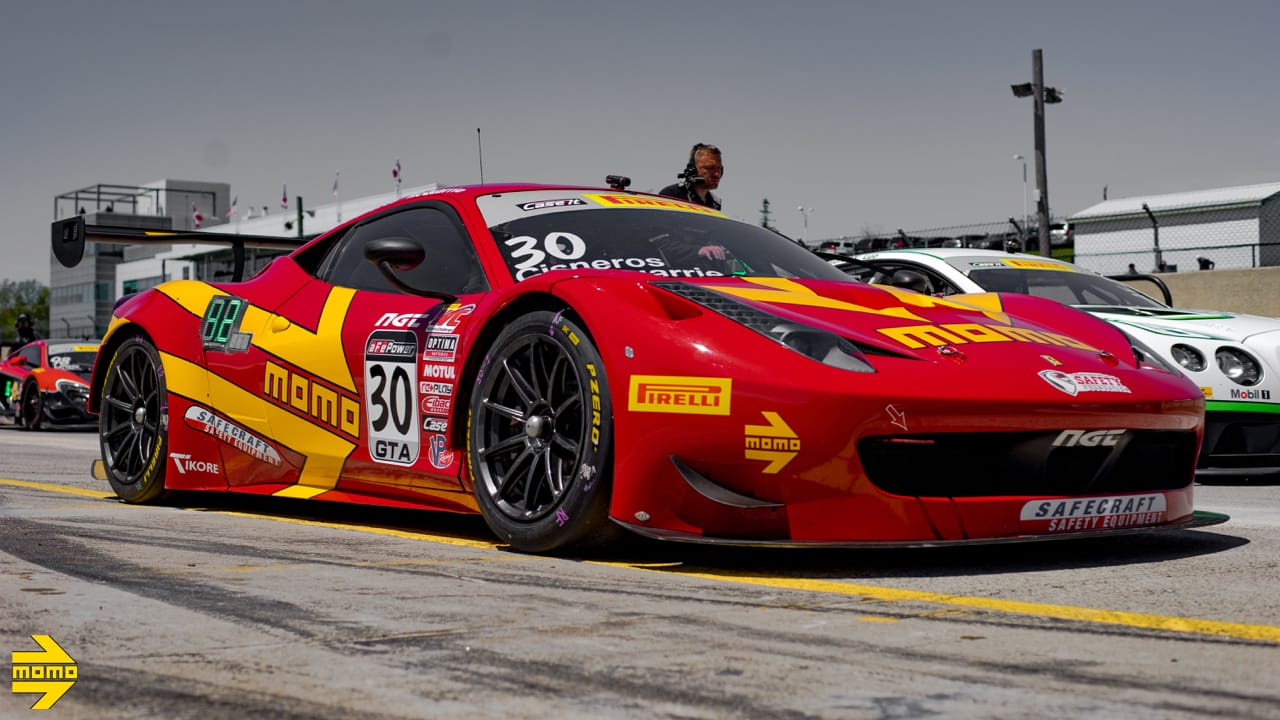
Translating a design from body style to body style can be one heck of a challenge. (Photos provided by Jason Dakins)
6️⃣ During the 2025 Rolex 24, NBC highlighted your sim-to-reality journey, noting specifically your relationship with Pfaff Motorsports and their iconic Plaid designs. Which has been your personal favorite Plaid design for the team and why?
My favorite would have to be the Porsche MotoMaster livery from 2023. Being involved with bringing such an iconic Canadian brand like Canadian Tire back into motorsport was huge for me professionally. I also have a personal connection to the company, as I worked in one of their stores when I was a teenager. This was also the first time I was able to design a livery for Pfaff Motorsports’ IMSA GT3 car independently, and not alongside their internal creative team members.
ICYMI, NBC/Peacock aired a feature on myself and the @AWARacing car that ran during last weekend’s #Rolex24 at Daytona. pic.twitter.com/9T0DeWdtRd
— DAKINS DESIGN (@dakinsdesign) January 31, 2025
7️⃣ It’s not often that a designer can be tied to as impactful history as the story of Dystany Spurlock, the first Black woman to compete in the ARCA Menards Series. When taking on a design role for her debut, was there any added pressure with the weight of the eyes and media that would be on her along with her car?
Absolutely there was, but only because I wanted to give the project the attention and weight it deserved. It is humbling to be a small part of her journey.
Foxxtecca pushed me outside of my comfort zone, in the best way possible. I was tasked with bringing her personal style to the project, which forced me to think outside of my own preferences to draw inspiration. This was also the first stock car design I had done professionally, which is a bucket-list opportunity I really want to build upon.
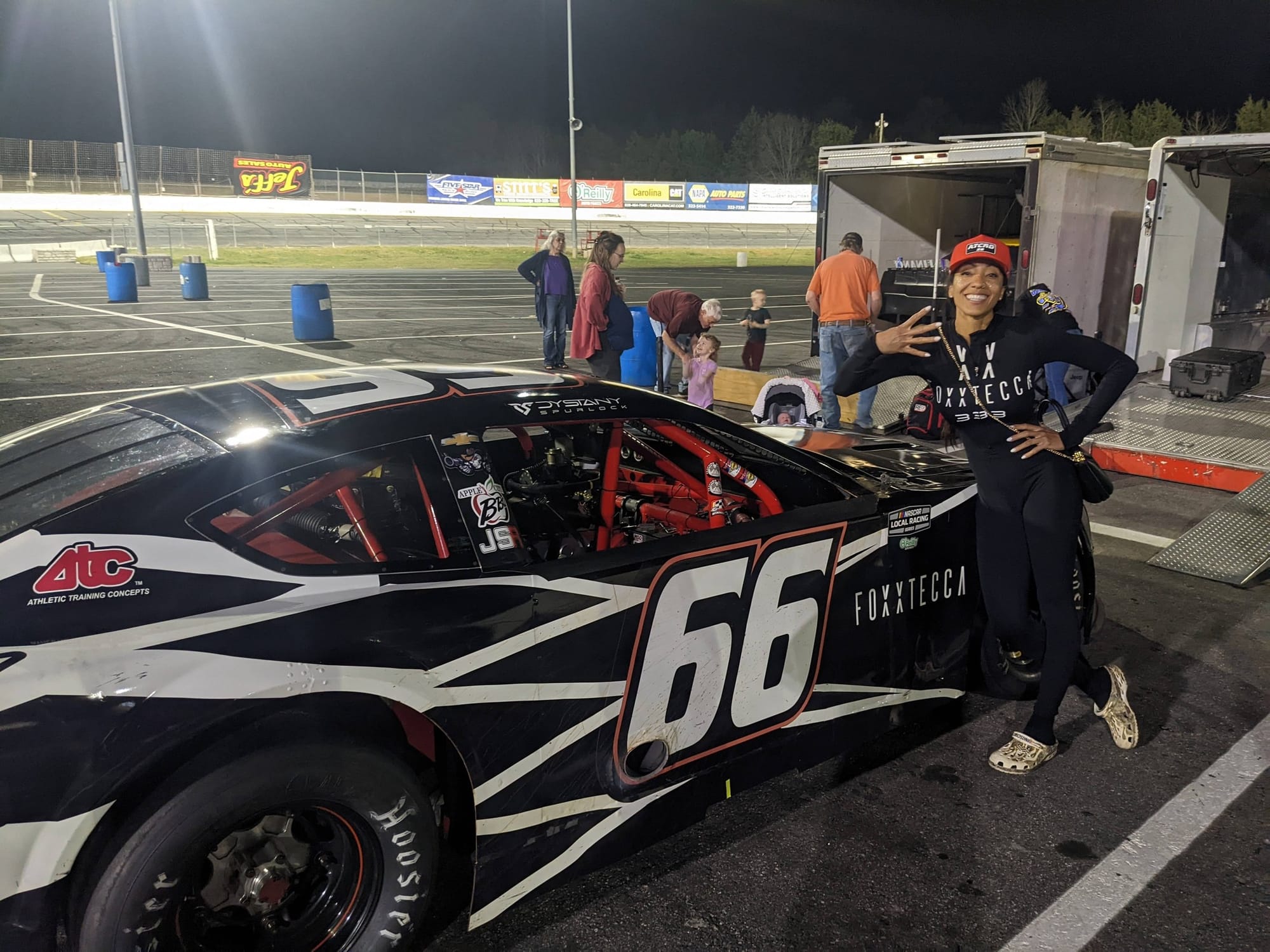
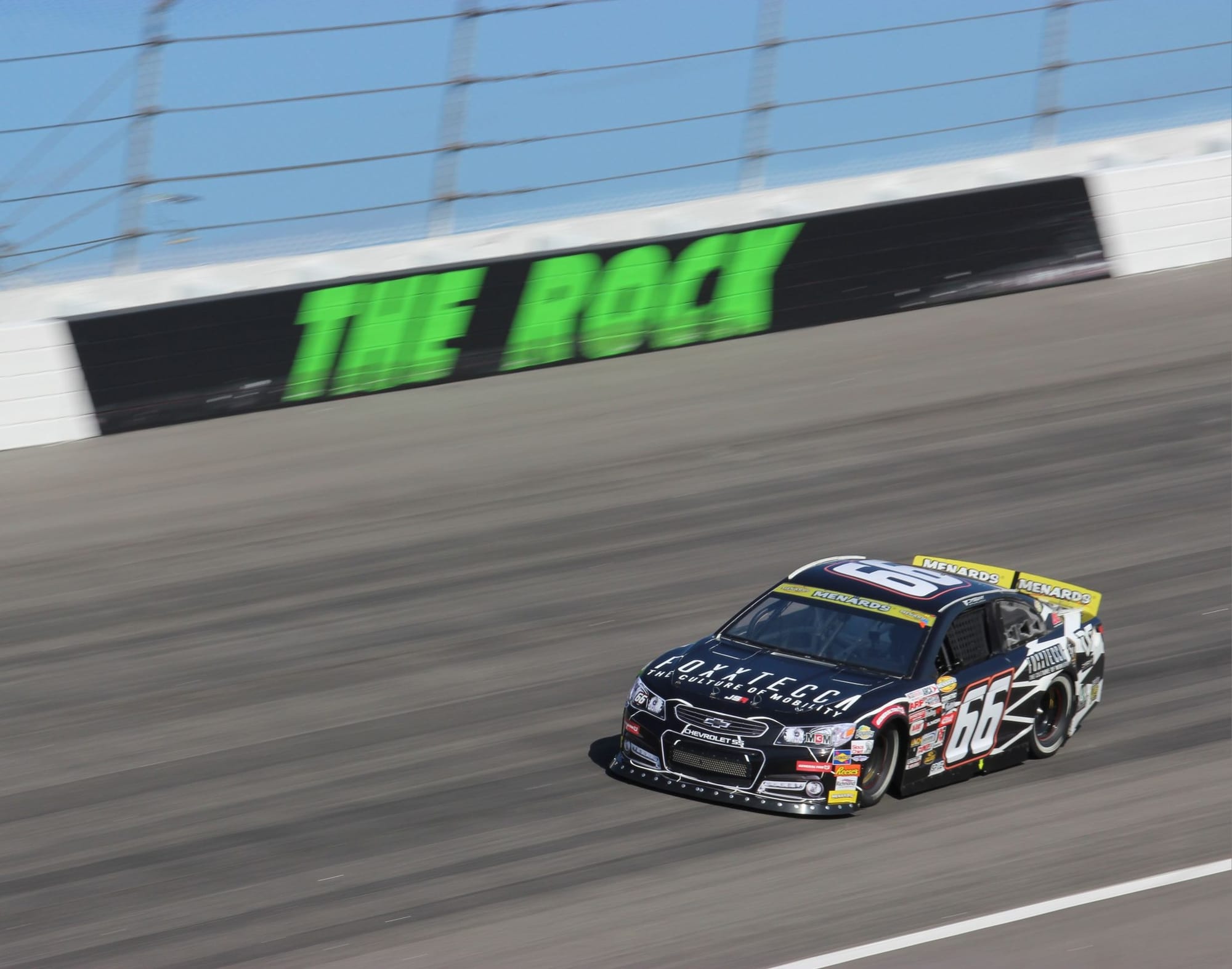
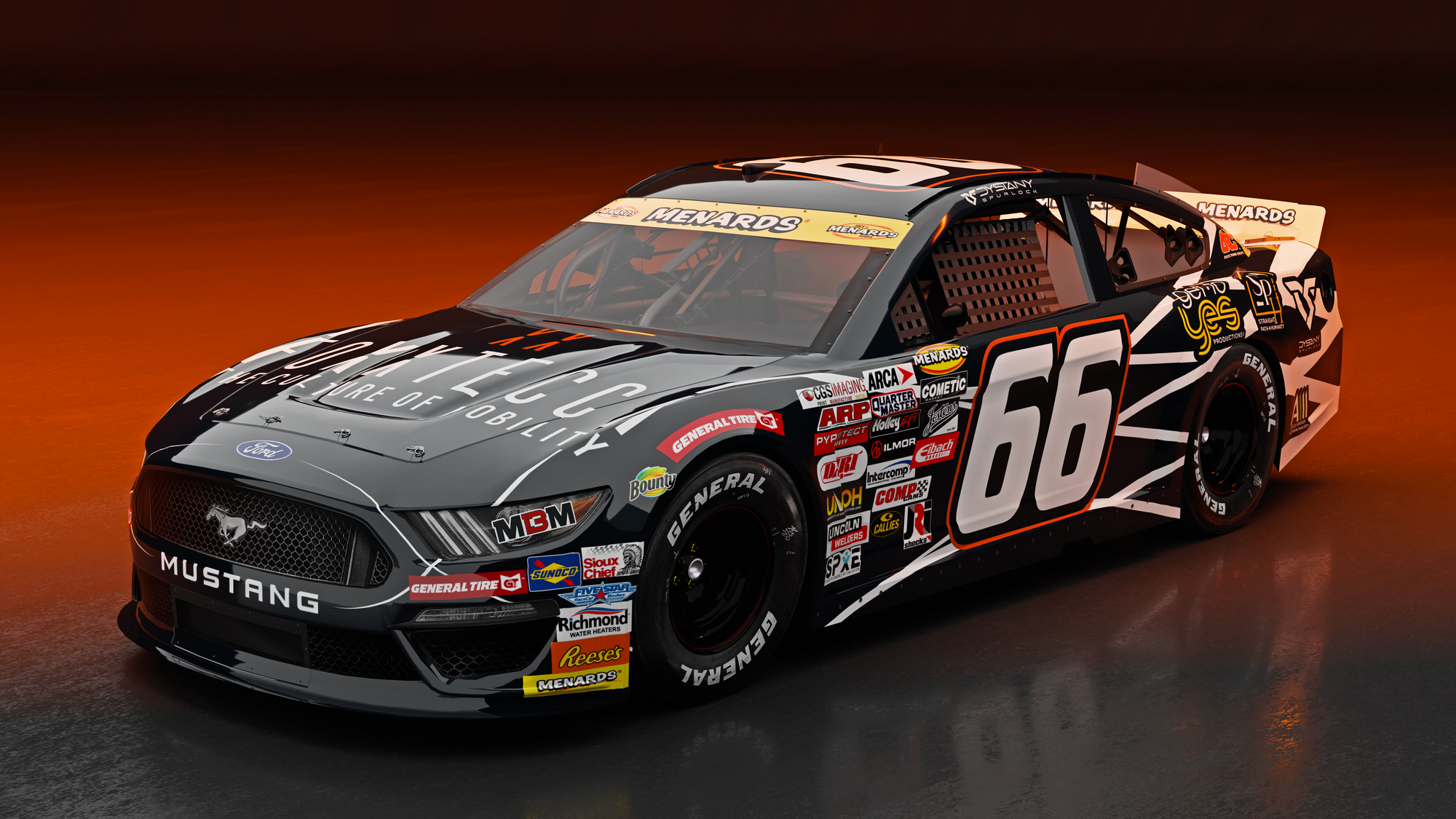
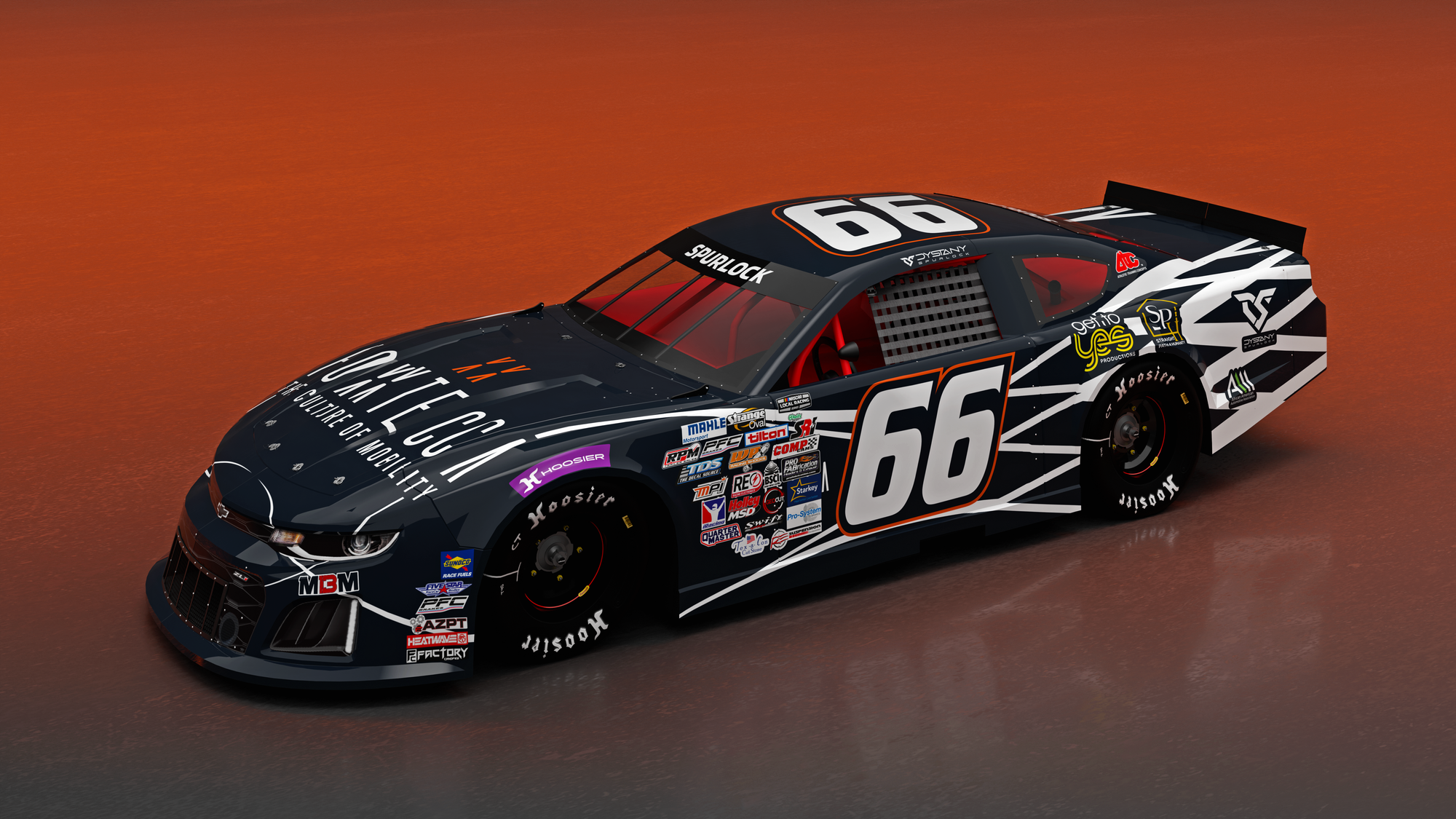
Dystany Spurlock made history as the first Black woman to compete in the ARCA Menards Series, and Jason was tasked with bringing the branding of Foxxtecca to life. (Render/Photo Credits: Jason Dakins)
8️⃣ The sim racing world has played a major role in your design career. Do you feel that if sim racing had never been an avenue for your ability to grow as a designer that you would be where you are now?
Short answer, no. I would likely still be grinding through a nine-to-five, working for someone else, on the outside looking in. Sim racing not only gave me the opportunity to develop my skills, but also share my work with others and get valuable feedback that gave me the confidence to take the leap from a fun hobby to becoming a full-time designer.
9️⃣ With over two decades of engineering design/CAD drafting experience, how has that time and knowledge translated over to the design world of 2D art and designing cars in the real world?
The two worlds have a surprisingly large amount of overlap, which I feel gives me a leg up in terms of what I can provide to clients. Understanding how 2D lines on a page translate to 3D objects in the real world is an invaluable skill that I developed working in the engineering field.
A design can look fantastic on paper, but if you don’t understand how the vinyl needs to be stretched, and overlaid onto a 3D curved object, you will quickly learn that it’s not a feasible design, and can look nothing like what you had envisioned in your head.
The other part is my 3D modeling experience. Creating photo-realistic 3D rendered images and/or video for products translated over to cars very easily, and is something I take great pride in. Clients have proven that these are incredibly valuable for sponsor acquisition, as well as for marketing and merchandise offerings.
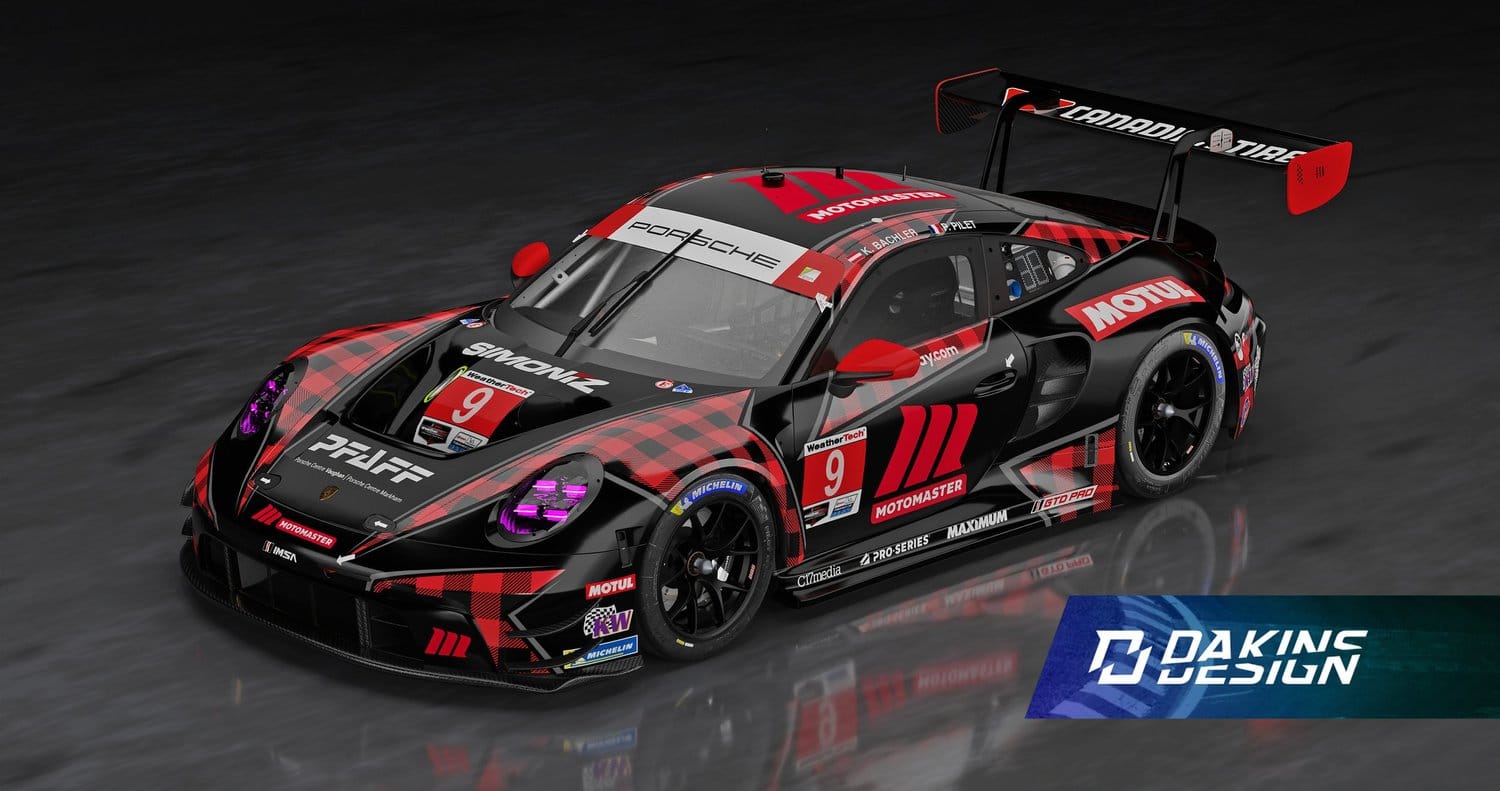
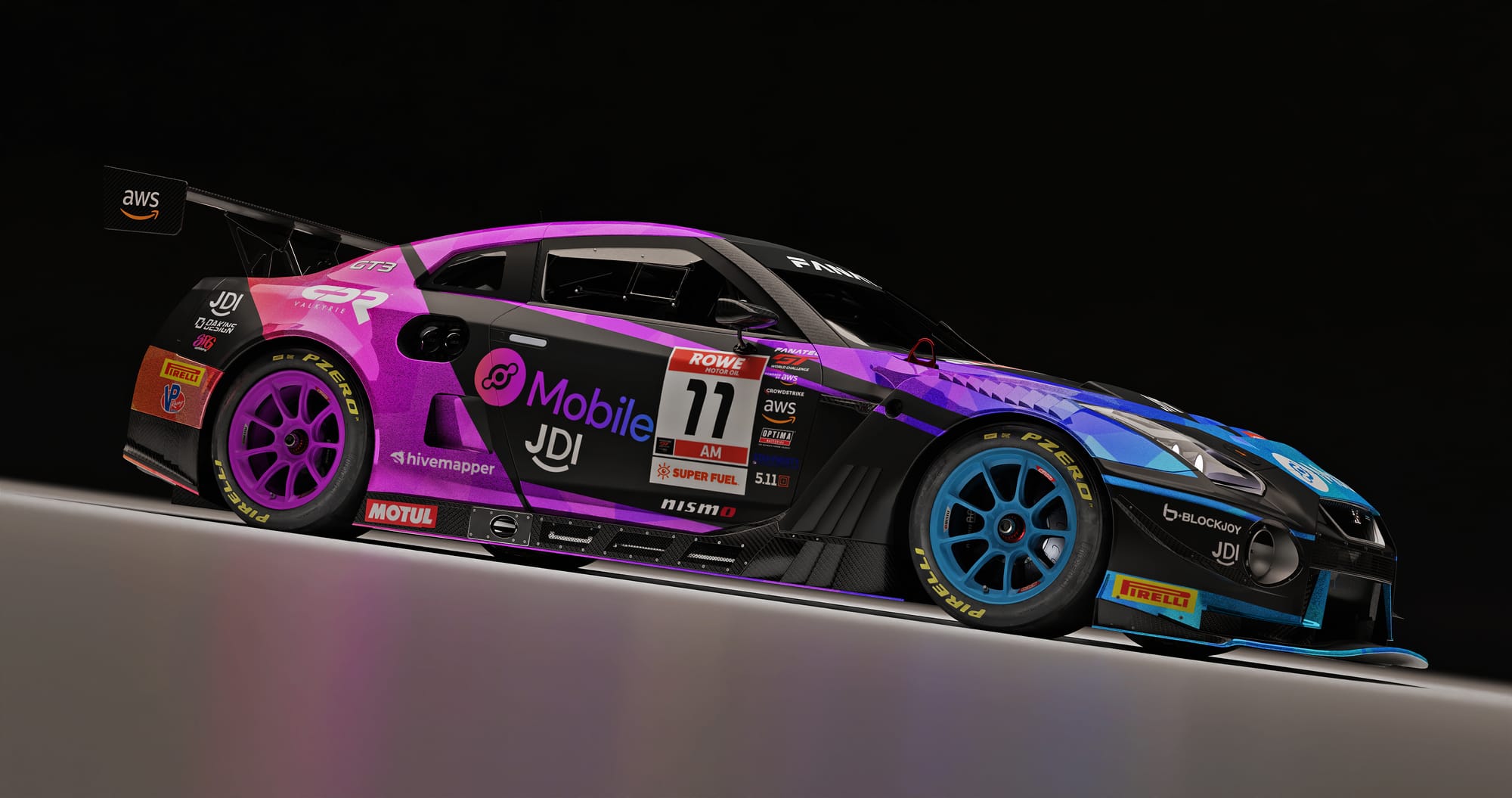
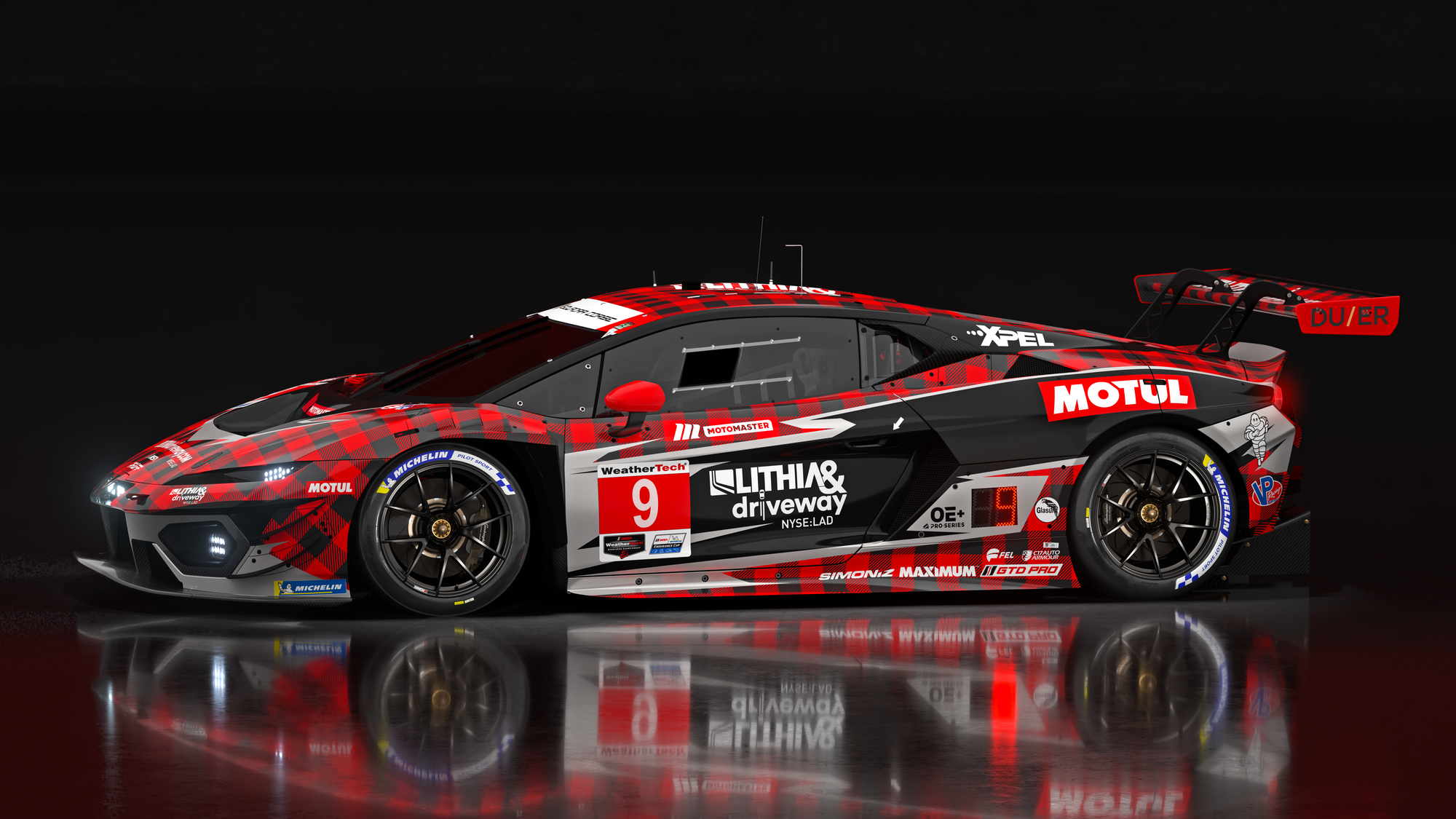
Render Credits: Jason Dakins
🔟 Share a design tip for people just getting started.
Take the leap. Don’t let perceived skill level, available equipment, or anything else hold you back. I started designing car liveries with crayons and paper as a young child, and developed the core skills that I use every day. Just keep experimenting and learning, and don’t forget to share your work. Your talent will show through, and as you develop your skills, people will begin to notice, and opportunities will follow.
For more, follow Jason on Trading Paints, and DAKINS DESIGN on Instagram.